

Tony Fernandes, AirAsia Group CEO, has issued a public apology after admitting he "buckled under pressure" over a video and the use of an AirAsia plane from Kota Kinabalu (KK). In a candid statement posted online, Fernandes said he had acted foolishly, believing the gesture would "appease the govt & protect the jobs of staff." He called his actions wrong, said he'd "forever regret it," and apologised "once again for the pain and the hurt I caused." The brief but contrite note follows a swift wave of criticism from customers, employees and commentators who questioned the airline's involvement in what many viewed as a politically sensitive move.
Tony Fernandes' public apology
Tony Fernandes, AirAsia's founder and group CEO, issued a direct apology after acknowledging he had "buckled under pressure" when he authorised a video and the use of an AirAsia aircraft tied to Kota Kinabalu (KK). Fernandes said he believed the gesture would "appease the govt & protect the jobs of staff," but admitted it wasn't right and vowed to "forever regret it." The short statement attempts to close a contentious chapter: a personal mea culpa aimed at staff, customers and the wider public after the footage triggered backlash and raised questions about corporate judgement and independence.
How the video and the KK plane sparked controversy
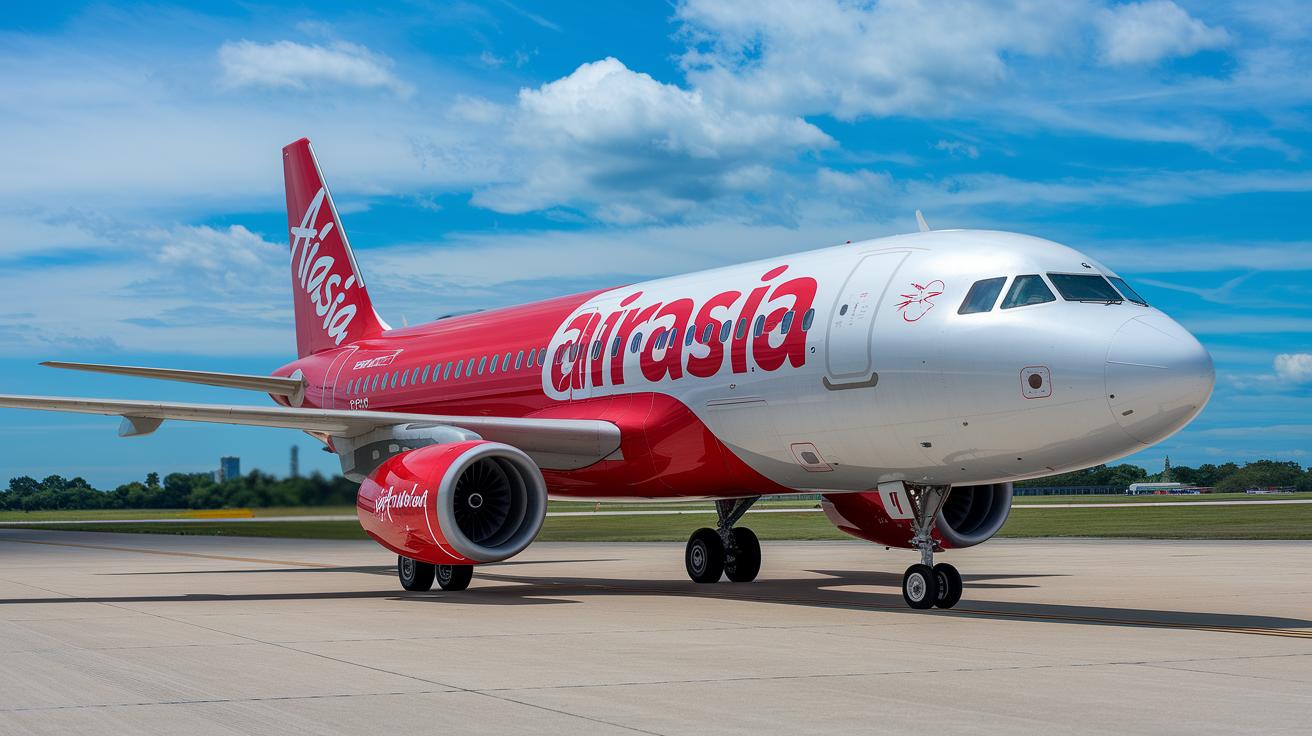
Details are still emerging, but the focal point was a short video and the appearance of an AirAsia aircraft associated with Kota Kinabalu. Fernandes has said he hoped the footage would placate officials and help safeguard employee jobs. Critics quickly argued the move blurred the line between corporate communications and political symbolism, and social media amplified unease about company resources being used in a politically sensitive context. Supporters contend Fernandes faced tough choices in a complex regulatory environment, but for many the optics were poor and the episode highlighted how quickly a single act can become a reputational flashpoint.
Why he says he did it , and the admission of regret
Fernandes framed his decision as a reluctant response to pressure, driven by a desire to protect staff livelihoods. "Foolishly I thought by doing the video & the plane from KK would appease the govt & protect the jobs of staff," he wrote, adding that he "buckled under pressure." That admission is notable: chief executives rarely publicly attribute a lapse in judgment to external pressure. The statement underlines the tightrope airline leaders walk when operating where political and regulatory influence is significant. Fernandes’ regret signals an attempt to own responsibility, but it also raises questions about the governance processes that allowed the choice.
Public and political reaction

Response was rapid and mixed: social media users criticised the apparent alignment of a major carrier with government messaging, while some political actors demanded explanations about corporate conduct. Labour and employee groups expressed concern for staff caught in the middle, and analysts warned the brand could suffer if the issue was not properly managed. Other voices urged context, suggesting the move might have been intended to preserve jobs during a fragile period for aviation. The public debate has pivoted from the single act to wider issues of corporate independence, transparency and the responsibilities of market-leading companies.
Impact on AirAsia and its employees
The practical fallout could span reputational damage, employee morale issues and potential regulatory scrutiny. If Fernandes believed the act would protect jobs, there's a risk that short-term protection could lead to long-term harm if customer trust declines. Front-line staff may feel conflicted: relieved by the stated intent to protect positions but anxious about being associated with controversy. Investors and corporate governance watchers will be alert for any formal inquiries or board responses. For AirAsia, the priority will be stabilising staff sentiment and reassuring passengers and stakeholders that company resources are not being used for inappropriate political ends.
What comes next: accountability and rebuilding trust
An apology is the start; meaningful recovery will require concrete action. Reasonable next steps include an independent review of the episode, a clear policy on political engagements and company-asset use, and board-level statements about governance and oversight. Engaging staff representatives and regulators openly will help restore confidence, while clearer internal safeguards can prevent repeats. For customers and investors, the true test is whether this mea culpa leads to structural changes rather than a short-lived PR reset. Fernandes’ willingness to acknowledge error is important , now AirAsia must show how it will translate contrition into credible reform.