

Can AI be even more amazing than we ever dreamed? Machines have been learning to copy how we think for decades. Early on, Turing set the stage with his famous test, and soon after came the first self-learning neural network. Today, tools like ChatGPT hint that AI could soon speed up research and make everyday tasks simpler.
Experts say that future models will push these boundaries even further and change the way we work and live. Ever wonder if we really understand these fast changes? In this article, we take a close look at the trends that might soon shape our world.
Key Future of AI Trends and Predictions
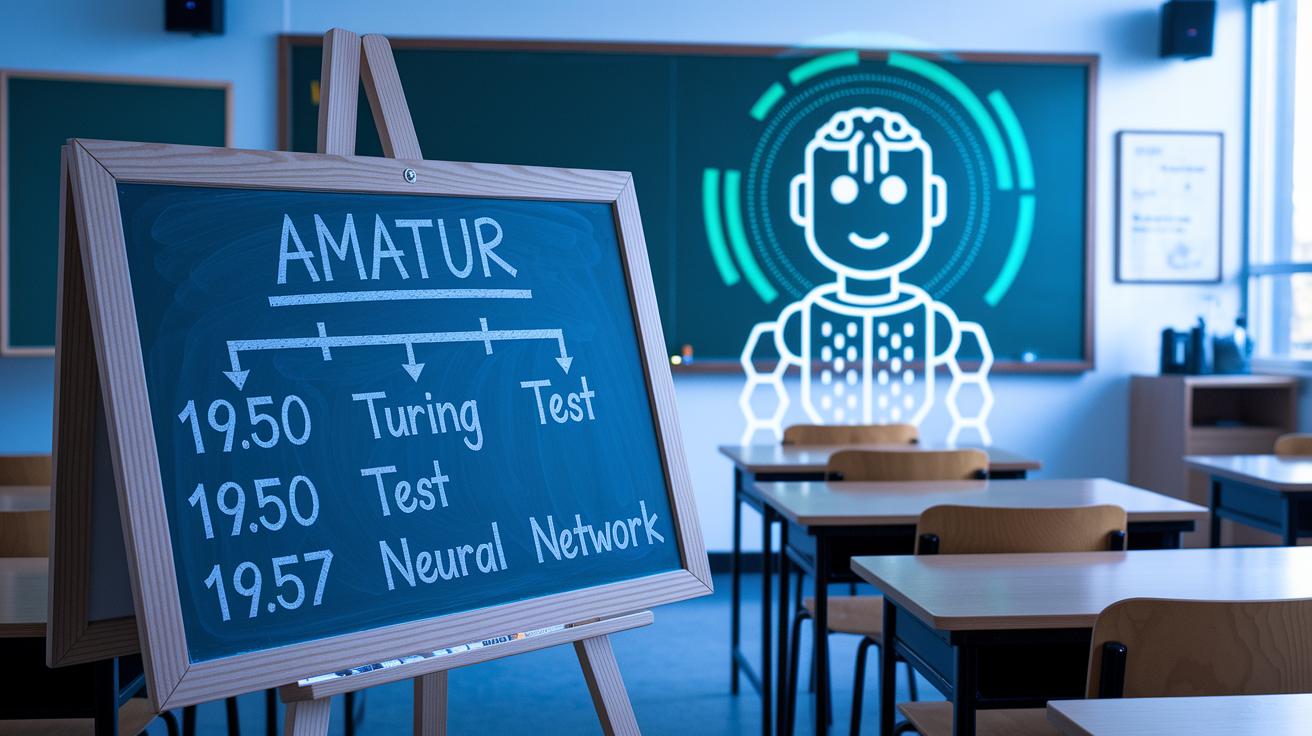
Artificial intelligence is essentially a way for machines to learn and perform tasks that usually need human smarts. Back in 1950, Alan Turing came up with a test to see if machines could hold a conversation like we do. Fast forward to 1957, when the first neural network that could actually learn was shown to the world. These early milestones laid the groundwork for everything we see happening in AI today.
Generative models have really changed the game in recent years. Take ChatGPT, which made its debut in November 2022; it showed us just how advanced language processing can be. Looking forward, experts are buzzing about the arrival of GPT-5, expected around August 2025, which might push these limits even further. Some predict that breakthroughs in biology could speed up research by as much as ten times, meaning what used to take decades might now happen in just 5 to 10 years.
New digital trends and advances in automation are reshaping both business and everyday life. Modern tech is making it possible to cut down on repetitive tasks and boost efficiency in many areas. It’s like watching a factory fine-tune its processes – as production speeds up and operations get smoother, we see shifts that affect everything from how supply chains work to our daily interactions with technology.
This transformation isn’t just about machines; it’s changing how people work and connect, too.
| Year | Milestone |
|---|---|
| 1950 | Turing Test introduced |
| 1957 | First trainable neural network |
| 2022 | ChatGPT launch |
| 2025 | Expected release of GPT-5 |
These trends point to a future where machine learning keeps changing the digital landscape, opening up exciting new possibilities for both technology and society.
Future of AI: Bright New Horizons
AI is moving away from systems that only handle one task and stepping into tools that try to think like us. The breakthrough with the Transformer model back in 2017 opened up new ways for deep learning. It helped machines pick up on details and context much like a baby learns about its world.
Next, we see machine learning focusing on models that can really generate ideas on their own. Take GPT-5, for example, which is expected around 2025. At a talk on June 30, 2025, experts chatted about the idea of AI improving itself little by little. It makes you wonder if machines might soon learn to refine their own skills over time.
These exciting changes aren’t only about faster data processing. Developers are now creating systems with smart layers that handle complex information and offer insights we once thought were out of reach.
Key points include:
- New breakthroughs that inspire smarter algorithms.
- Machine learning designs that adjust and learn over time.
- Deep learning that improves the way machines recognize patterns.
Imagine a model that changes our view of what machines can do, much like a scientist amazed by an unexpected discovery. As these technologies grow, they may soon bridge the gap between artificial and human-like thinking.
Future of AI in Industrial and Enterprise Automation
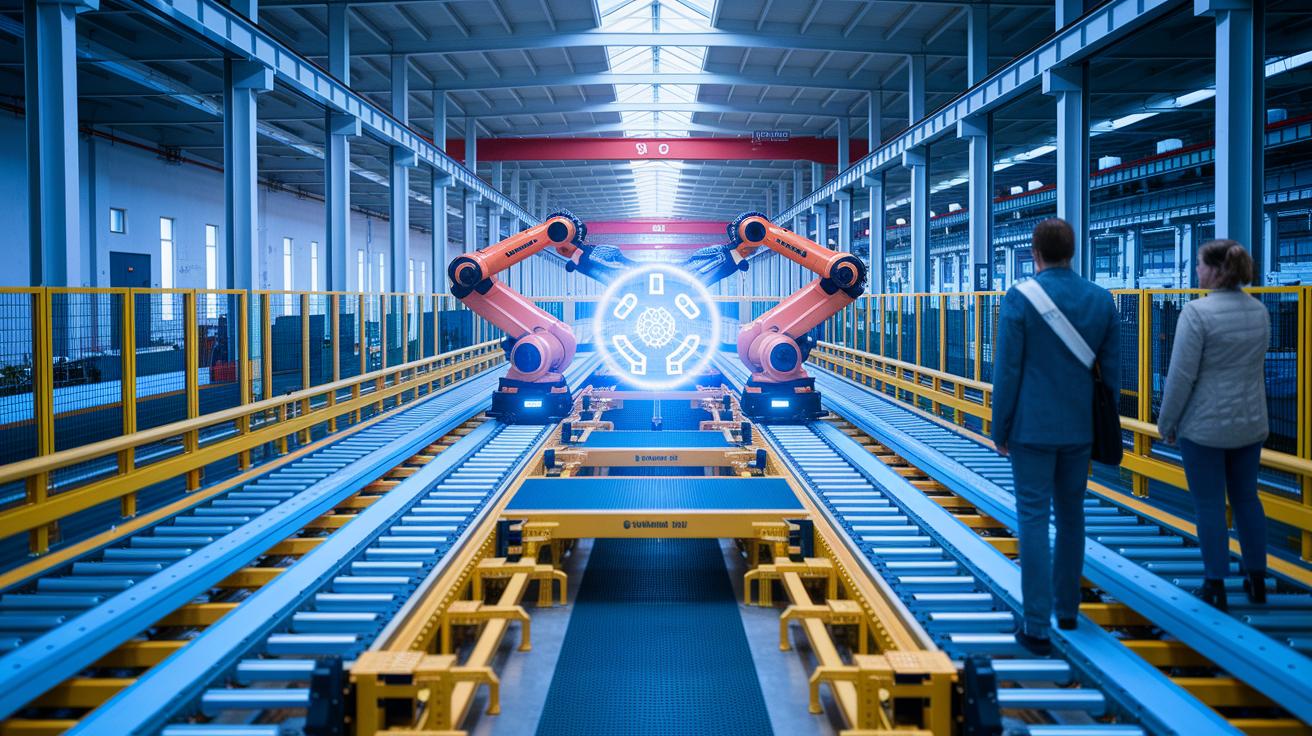
AI is making big waves in how factories and offices run every day. It helps smooth out processes and cuts down on the time machines sit idle. For instance, one factory used sensors that, powered by AI, spotted a looming breakdown days before it happened. This early warning helped keep the machines working and boosted overall productivity.
Robotics are also enhancing safety on the factory floor by taking on tough tasks in risky spots. Picture a production line where smart robots work together, keeping workers out of harm’s way. At the same time, AI is keeping an eye on the supply chain. By analyzing data flows like a smart traffic system rerouting vehicles, it helps products reach their destinations without unnecessary delays.
Business operations are getting a major boost too. New tools like recommendation engines and real-time analytics crunch process data to fine-tune workflows. This means companies can run more efficiently now than ever before. Many businesses are already using these enterprise AI platforms to gather clear insights, streamline operations, and cut waste.
In essence, this automation revolution is creating safer workspaces, smarter logistics, and sharper analytics, leading to noticeable gains in both performance and cost savings.
Healthcare Revolution with Future AI Applications
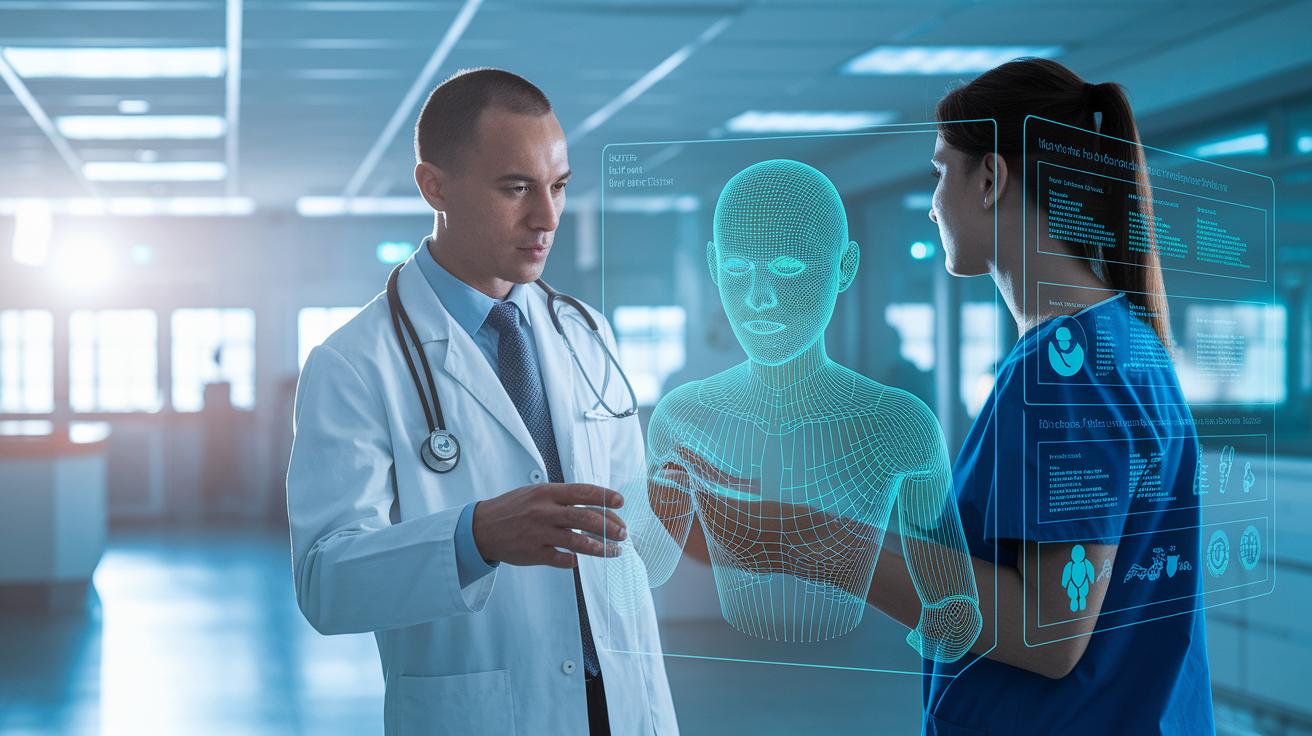
AI is changing health care in big ways. It improves how doctors diagnose and plan treatments while easing the pressure on hospitals and clinics. AI-driven diagnostic tools cut down on human error so patients get accurate results quickly. Think of virtual nursing assistants that sort patient needs like a smart scheduler, directing the most urgent cases to the right specialist right when needed.
Advanced medical analytics let doctors design treatment plans that fit each patient perfectly. By sifting through large amounts of health data, these tools can pick the best therapies and even forecast disease outbreaks. This means public health teams are better prepared to tackle issues before they become crises.
At the same time, these smart systems help doctors manage overcrowded facilities and lower costs for patients. In short, AI is sparking a new era in health care, a blend of cutting-edge technology and medicine that leads to more effective, efficient, and personalized care for everyone.
Transforming Education Through the Future of AI

AI is giving learning a powerful boost. It adjusts lessons to fit each student's pace and style. Think about a kid who struggles with algebra. Their digital tutor can change the lesson right away so that confusion turns into clear understanding. Here's an interesting fact: one digital tutor noticed a student repeatedly making mistakes with fractions and switched to a visual method that made everything click.
Digital tutors and smart campus projects are changing the way teachers share information and interact with students. Modern classrooms now offer instant feedback, making lessons more interactive and hands-on. This change lets teachers tailor lessons from kindergarten through college, which helps keep students engaged and improves learning retention.
Key innovations include:
- Adaptive curricula that reshape academic settings
- Personalized platforms designed to meet individual needs
- Digital classroom evolution that boosts student engagement
- Tech-supported teaching methods providing smart, on-the-spot help
- Virtual learning tools that encourage teamwork even from afar
Together, these improvements are reworking the way classes are taught. They build a flexible, responsive learning environment perfectly suited to today’s educational challenges.
Workforce and Career Dynamics in the Future of AI Era
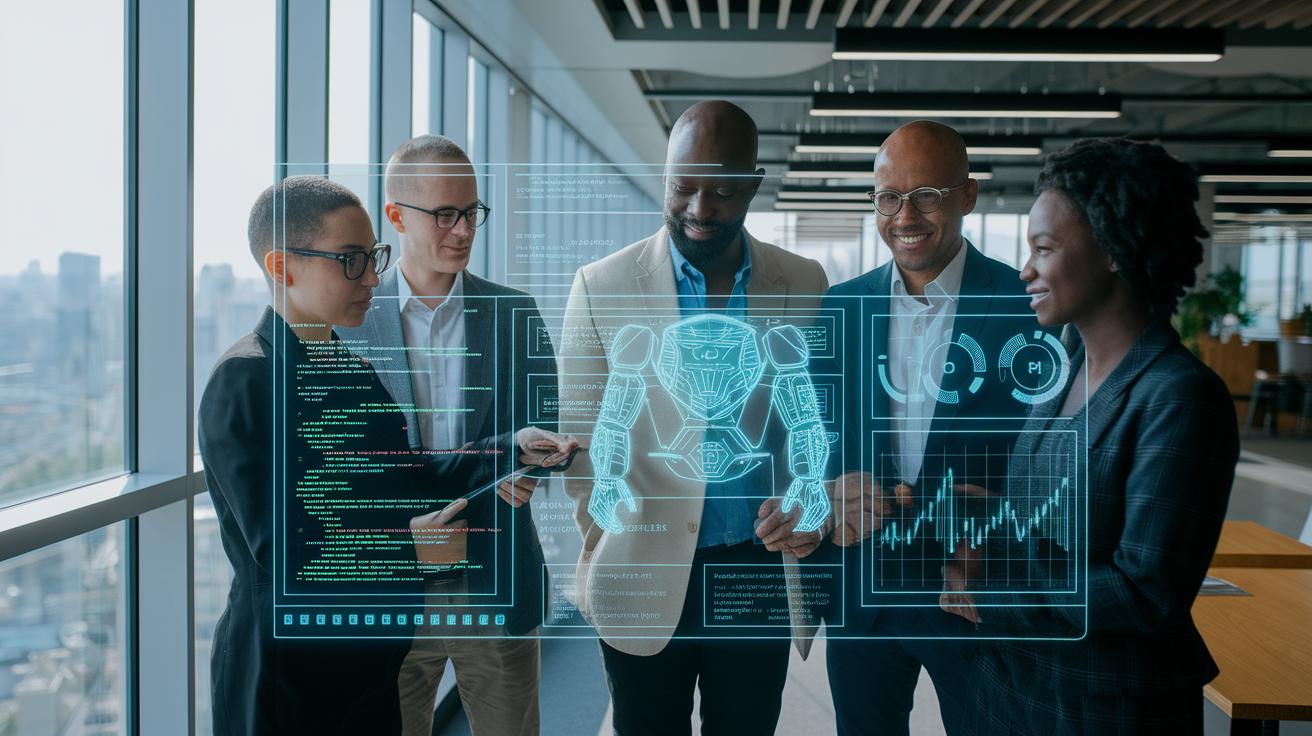
AI is changing how we work every day. Digital tools like chatbots and virtual assistants now handle simple, repetitive tasks in seconds, which means we have more time for creative and complex work. This shift is transforming the job market, with old roles evolving and new ones emerging.
Experts say that nearly 44% of the skills workers use today will change between 2023 and 2028. Jobs we once counted on are transforming into careers that blend human creativity with machine efficiency. Think about roles such as AI ethicists or human-AI interface designers, they call for a fresh mix of technical know-how and strategic thinking.
Imagine an office where a data manager fine-tunes information systems every day to keep things accurate and fair. Upskilling and reskilling aren’t just trendy buzzwords; they’ve become essential for keeping your job secure in an era of automation.
Companies and individuals alike need to adapt to these changes by embracing automation and looking for new ways to combine human skills with cutting-edge technology. It’s an exciting time as we see our career landscapes truly transform.
Ethical and Regulatory Landscape of Future AI

Rules and oversight now play a big role in shaping how AI grows. In 2023, the FTC began checking if European data rules were followed when training AI systems. This move, driven by worries about privacy, bias, and safety, has made designing fair and secure algorithms a must.
Bias can sneak into systems like facial recognition or deepfake generators. Imagine an AI misidentifying someone, it shows that even the most advanced tools can carry human prejudices. Soon, companies and organizations will need to build clear rules and safeguards that hold them accountable.
Key challenges include:
- Tackling ethical innovation so developers consider human values and long-term effects.
- Designing algorithms in a way that reduces bias and keeps user data safe.
- Creating fair data handling methods that prevent discrimination.
- Setting up strong compliance models to meet changing global standards.
- Keeping digital governance strong in a fast-moving tech world.
Recent lawsuits with companies such as OpenAI and Anthropic, along with debates over autonomous weapon systems, highlight the legal and safety issues AI can bring. These challenges call for clear rules and guidelines that support responsible development while still encouraging new ideas. It’s like building a bridge: every part must be ready for future loads, ensuring the structure stays both innovative and secure.
Investing and Economic Impact in the Future of AI

Venture capital in artificial intelligence has really taken off lately. Investors are eager to back new tech that could change our world. Recent breakthroughs in machine learning and robotics have sped up research, with some developments coming at least 10 times faster than before. You know, many successful AI startups began as scrappy ideas that soon turned into market game-changers.
Global tech investments are shifting how we understand market growth. New studies are now saying that AI could grow into a multi-trillion-dollar industry. This forces companies to plan for long-term changes rather than just quick wins. In essence, they need to balance the risk with the potential reward.
Money flowing into AI isn’t just powering the development of smarter systems; it’s also opening up fresh economic models. Businesses are rethinking their strategies for a world where AI innovation can change market values almost overnight.
Key considerations include:
| Consideration | Detail |
|---|---|
| Capital allocations | More funds are moving toward AI-focused sectors. |
| Strategic forecasting | In-depth economic impact studies back future planning. |
| Risk mitigation | Robust strategies are in place to balance risks and rewards. |
Investors and policymakers are bracing for a future where tech and finance blend faster than ever. With opportunities this dynamic, watch out – big changes might be just around the corner.
Final Words
In the action, this article explored key insights from AI’s long history to its latest dynamic breakthroughs. We examined how automation transforms industries, invigorates healthcare, refines education, and reshapes workforce dynamics.
Each section highlighted trends that signal a robust future of ai, connecting technological advances with real-world business impacts.
These trends inspire confidence and remind us to appreciate the progress unfolding across global markets. Embracing this momentum sets a positive tone for what lies ahead.
FAQ
What is the future of AI?
The future of AI means rapid advances that will reshape everyday life by enhancing automation, healthcare, education, and industry through smarter data analysis and adaptive learning systems.
What will AI be like in 10 years?
AI in 10 years will offer personalized technologies, efficient automation, and enhanced decision-making tools, transforming sectors like healthcare, education, and business with smarter, more intuitive systems.
Which jobs will AI replace by 2030?
AI is expected to automate many routine tasks, particularly in customer service and data processing, while new roles in ethics and human-AI collaboration may emerge to guide technological integration.
How advanced will AI be in 2050?
By 2050, AI will likely reach levels that closely mirror human problem-solving, boosting advancements in scientific research, healthcare innovations, and industrial automation for greater efficiencies.
What can I expect in a future of AI book?
A future of AI book often covers emerging trends, breakthrough technologies, and ethical debates, explaining how innovations in automation and machine learning will influence various aspects of society.
What are some examples showing the future of AI?
Examples include intelligent diagnostic systems in healthcare, adaptive learning platforms in education, and predictive maintenance in manufacturing, each demonstrating how AI can improve processes and outcomes.
zantac news update
zantac news update
loperamide working mechanism
loperamide working mechanism
sémaglutide injection prix new york
sémaglutide injection prix new york
semaglutide vergoeding
semaglutide vergoeding
xenical doses
xenical doses
sildenafil while pregnant
sildenafil while pregnant
metronidazole flagyl for toddlers
metronidazole flagyl for toddlers
acyclovir
acyclovir
weight loss with bupropion xl
weight loss with bupropion xl
toradol medical reference
toradol medical reference
ketoconazole mechanism breakdown
ketoconazole mechanism breakdown
terbinafine known side effects
terbinafine known side effects
toradol pain relief
toradol pain relief
ivermectin oral pharmacokinetics
ivermectin oral pharmacokinetics
minoxidil 2% vs 5% long‑term results
minoxidil 2% vs 5% long‑term results
minoxidil onset pk link
minoxidil onset pk link
vardenafil 10 mg profile
vardenafil 10 mg profile
Onset Delay Documentation
Onset Delay Documentation
TmaxPeak.com
TmaxPeak.com
Pharmacokinetic Timing Concepts
Pharmacokinetic Timing Concepts
sildenafil health information
sildenafil health information