

United's CEO issued a direct apology – 'I'm sorry' – for the way a passenger was treated on board, marking a reversal after earlier statements that avoided a straight apology. The move comes after widely shared video showing a passenger being removed from a flight sparked global outrage and intense scrutiny of the carrier's policies. The CEO's about-face acknowledges the PR and ethical repercussions and signals an attempt to regain public trust. United says it will review its protocols and cooperate with any inquiries. But critics say words alone won't fix systemic issues around overbooking, enforcement and customer care.
United CEO's Apology: A Reversal in Tone
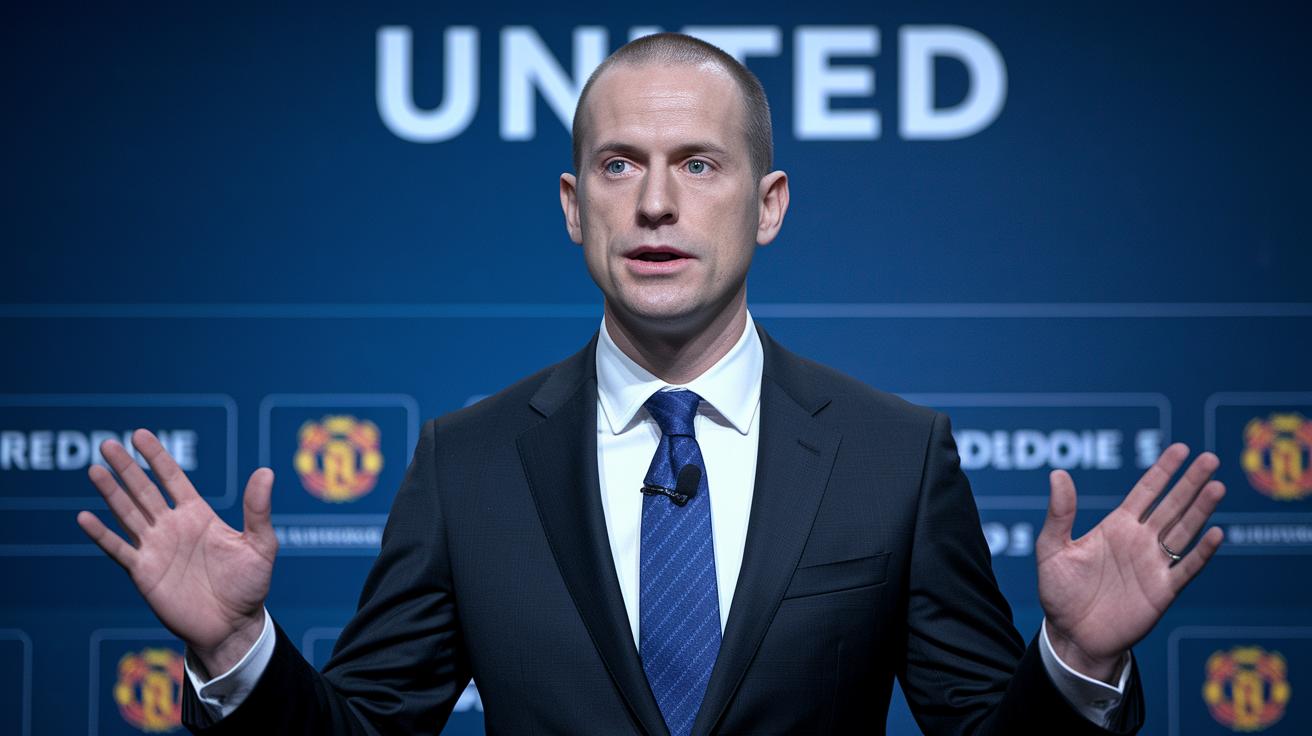
United's CEO issued a direct apology – 'I'm sorry' – for the way a passenger was treated on board, marking a reversal after earlier statements that avoided a straight apology. The move comes after widely shared video showing a passenger being removed from a flight sparked global outrage and intense scrutiny of the carrier's policies. The CEO's about-face acknowledges the PR and ethical repercussions and signals an attempt to regain public trust. United says it will review its protocols and cooperate with any inquiries. But critics say words alone won't fix systemic issues around overbooking, enforcement and customer care.
The Viral Incident That Sparked Outrage

In a viral video that ignited the controversy, a passenger was forcibly removed from a United Airlines flight after airline staff needed to free seats. Footage showed the man being dragged down the aisle and leaving the plane injured and bloodied, prompting immediate condemnation. United initially defended the crew's decision and called the situation 'egregious' only after the footage circulated, but some observers said the first statements leaned toward blaming the passenger. The visuals drove public outrage, social media campaigns, and calls for accountability. The incident underscored how quickly on-board events can escalate into major corporate crises when captured on camera.
Why the CEO Reversed Course

The CEO's direct apology marks a notable shift from earlier remarks that were criticized as corporate-speak. Facing mounting backlash, the airline's leadership publicly acknowledged the pain caused and committed to taking steps to prevent similar incidents. The apology followed internal and external pressure, including viral video reaction and employee and customer shock. The chief executive said he was sorry for the treatment the passenger received and promised a thorough review of policy and training. While the admission may help calm public anger, analysts say meaningful change hinges on concrete policy updates, transparent timelines and accountability for executives and frontline staff.
Public Outcry and Regulatory Scrutiny
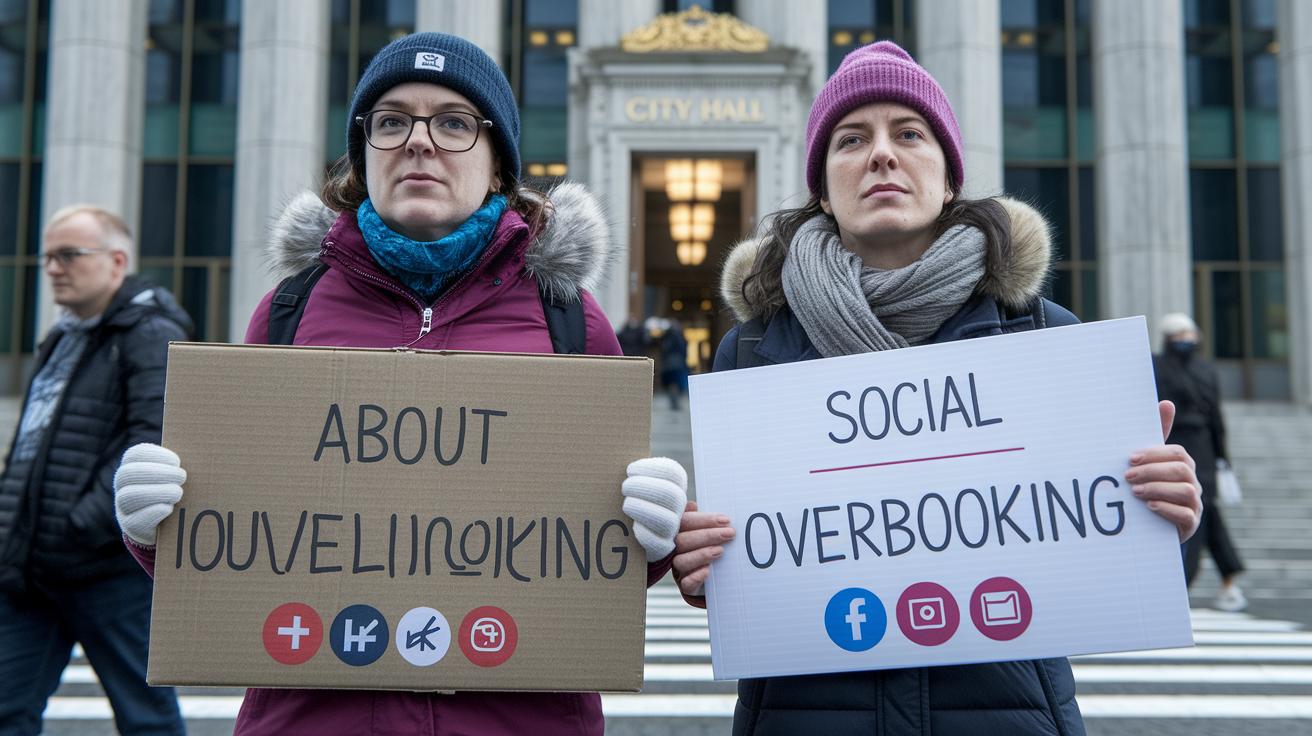
The incident triggered immediate public outrage and a chorus of calls for government oversight. Social media campaigns demanded accountability, and consumer advocates urged regulators to probe airline practices. Transportation officials signaled they were monitoring the case and reviewing policies around passenger removal and overbooking. Lawmakers from both parties called for answers, and industry groups warned carriers to act quickly to restore consumer confidence. For United, the regulatory spotlight raises the risk of fines, stricter rules and mandated policy changes. The episode also renewed debate about the role of law enforcement on flights and how airlines handle disputes with customers.
How the Industry May Change
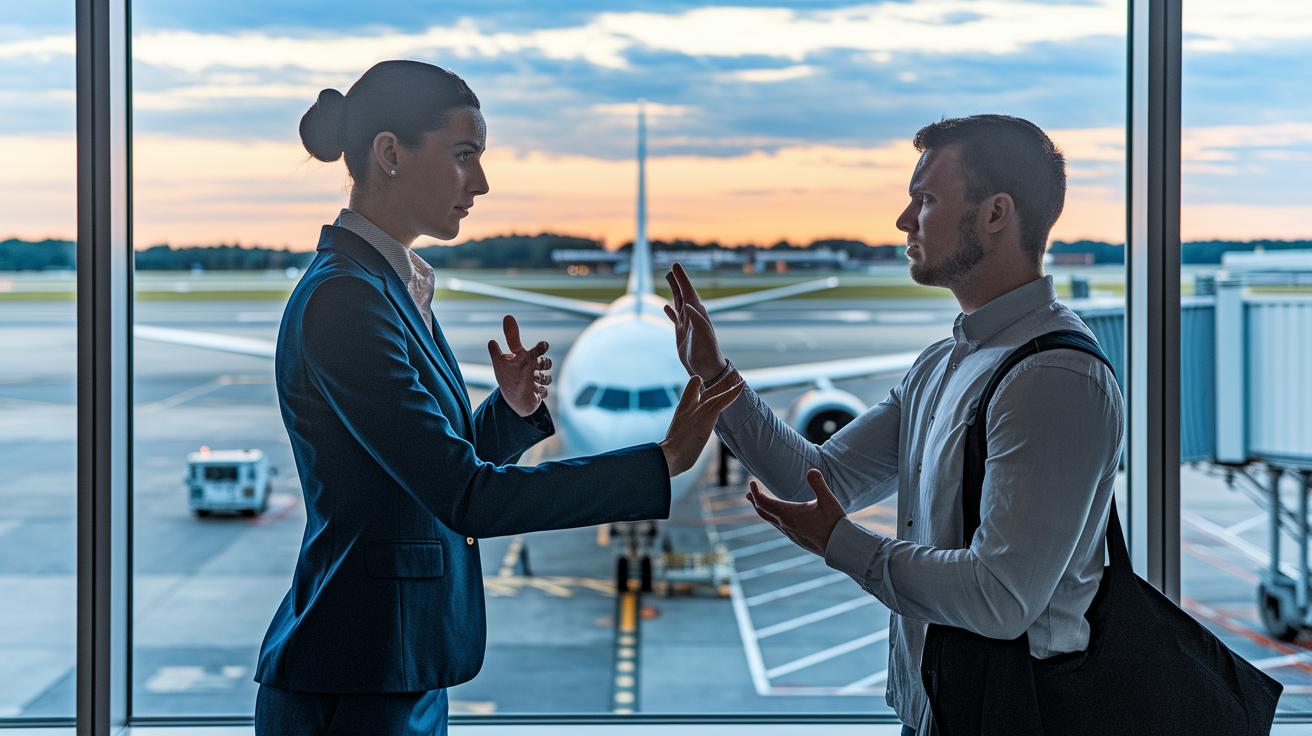
Airlines across the industry are watching closely, and some competitors have moved to clarify policies on overbooking, customer removals, and the use of law enforcement. Experts say carriers should reduce reliance on involuntary bumping, increase incentives for volunteers and improve communication when flights are oversold. Training for gate agents and crew on de-escalation, clearer passenger compensation rules, and transparent incident reporting are among the changes industry observers recommend. For United, implementing meaningful reform will require policy updates, staff retraining, and public transparency about outcomes. If done well, changes could restore trust; done poorly, they risk appearing cosmetic.
What Passengers Should Know

For travelers this episode is a reminder to know your rights and how to respond if an encounter goes wrong. First, document the incident – record video if safe, note names and flight details, and save boarding passes and receipts. File a formal complaint with the airline and with the Department of Transportation if necessary. Ask gate agents for written explanations and compensation offers. Remain calm and use public channels – social media and consumer advocacy groups – to amplify unresolved cases. Finally, consider travel insurance and understand common airline policies on overbooking and denied boarding so you can act quickly if you find yourself in a dispute.