

Carrying a little extra weight shouldn’t bar you from feeling the rush of post-workout endorphins, but it does mean your joints need extra kindness. High-impact moves like sprinting or plyometrics can strain cartilage, aggravate old injuries, and drain motivation when soreness strikes. The good news? You can still torch calories, boost mood and build muscle with workouts that feel friendly, not punishing. We’ve pulled together knee-saving tips shared on Malaysian fitness Twitter and added expert know-how so you can map out a routine that sticks. Lace up, take it slow, and let these seven strategies steer you toward sustainable, feel-good fitness.
Start with a Brisk Walk, Not a Sprint
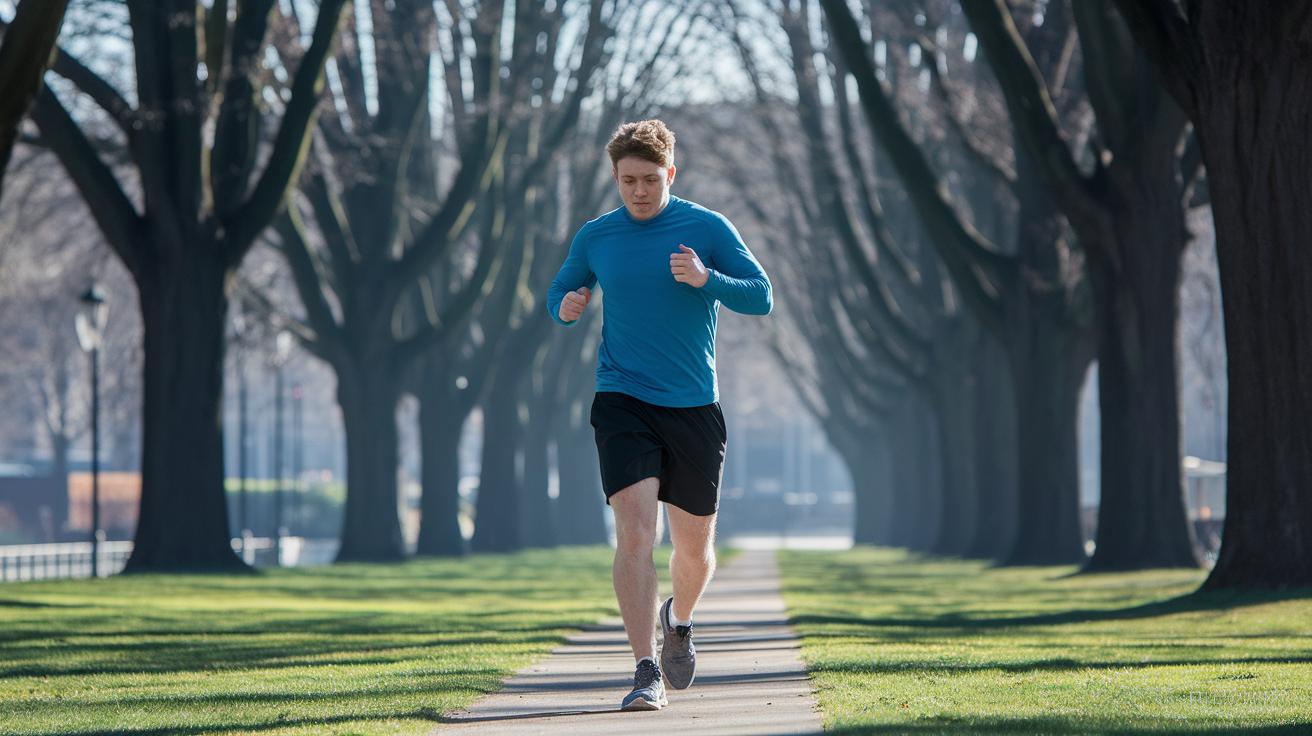
A common trap for new exercisers is assuming you must run to “really” exercise. Yet each running step can send up to three times your body-weight through the knee joint, tough if you’re starting heavier. Begin with a purposeful brisk walk instead. Pump your arms, keep your gaze forward and maintain a pace that slightly quickens your breath while still allowing conversation. Aim for 15 minutes, three times a week, and add five-minute increments as it becomes comfortable. Gradual progression strengthens the cardiovascular system without shock-loading the joints, laying a solid foundation for every workout that follows.
Skip the Jumps – Protect Your Joints
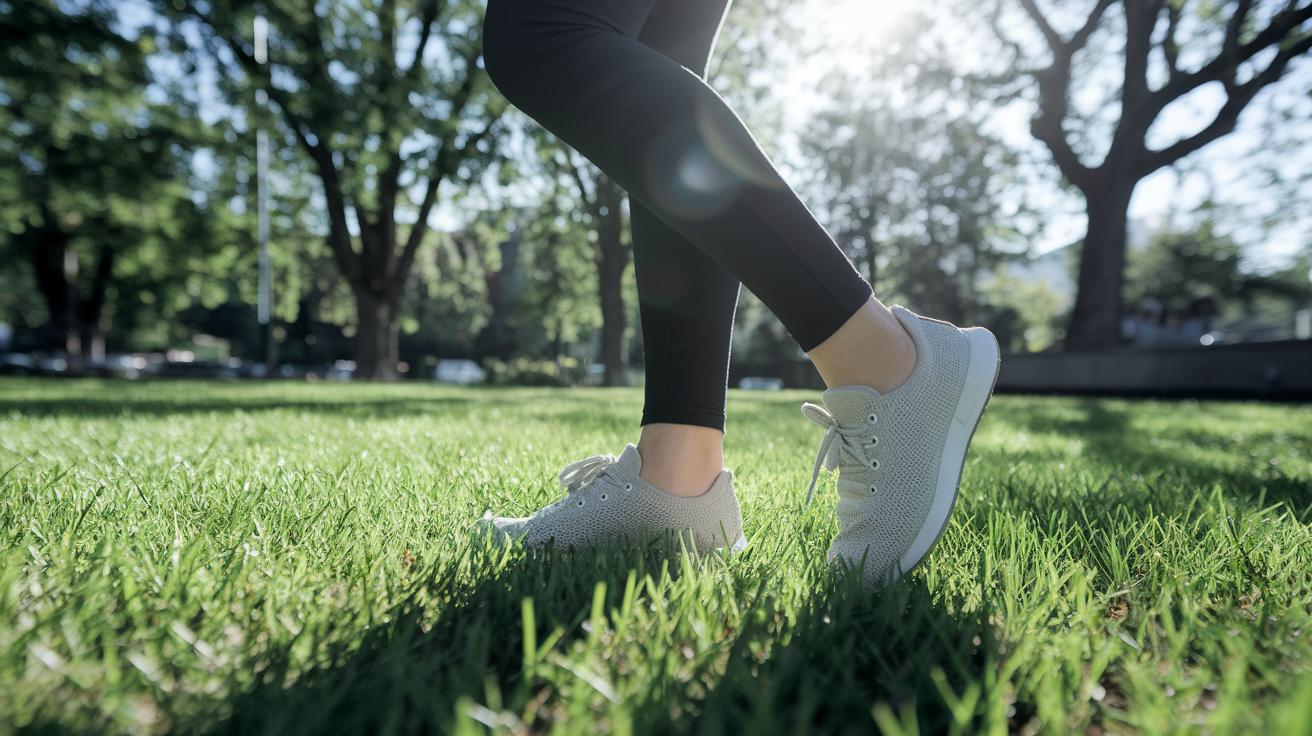
Jumping jacks, burpees and high-knee hops may look fun on social media, but they compress cartilage like a hydraulic press when body mass is high. Swap the jump rope for a shadow-rope routine, or do low-step marches instead of box jumps. Your goal is to keep both feet on the ground as much as possible, distributing force evenly rather than slamming it down. Soft sneakers, yoga mats and grassy parks add extra cushioning. Once you’ve shed a little weight and strengthened supportive muscles, light plyometrics can return, but give your joints time to adapt first.
Choose Low-Impact Workouts You’ll Enjoy
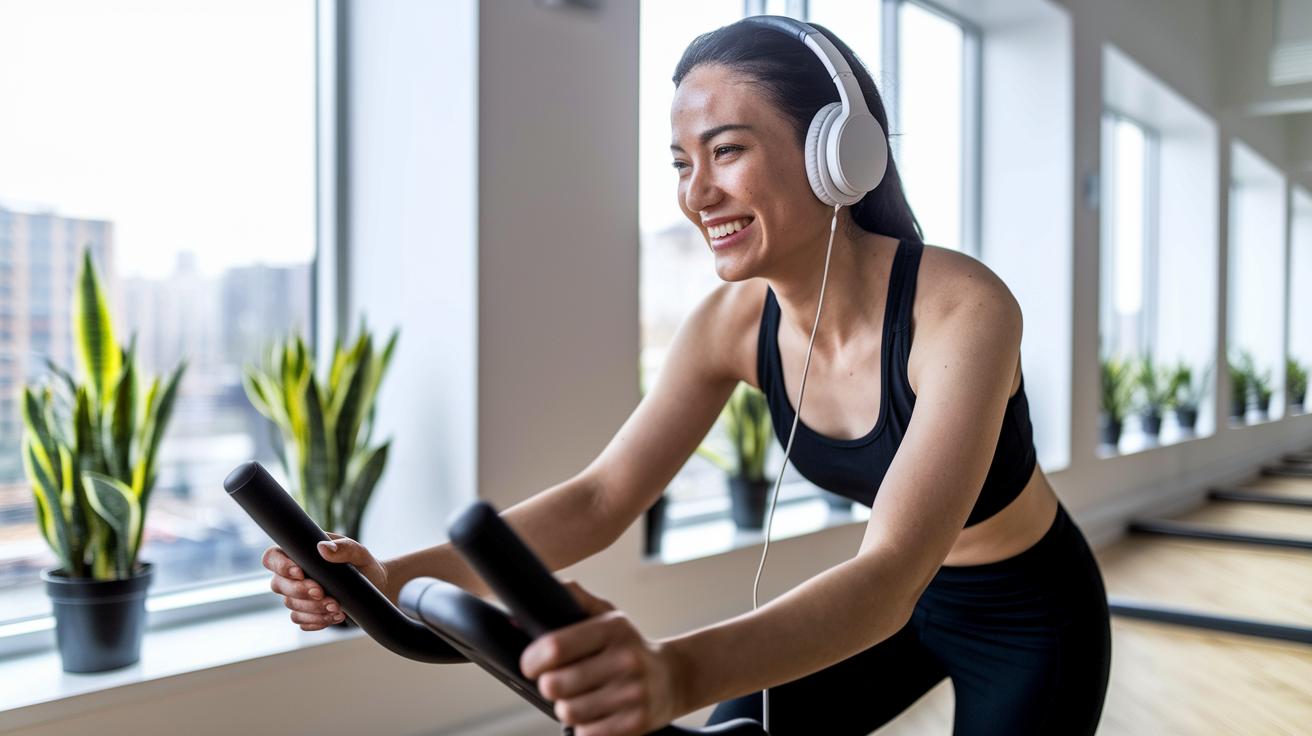
Not every low-impact workout lives in the gym. Cycling, rowing machines, elliptical trainers, gentle Zumba and even seated cardio classes all raise heart rate while sparing swollen joints. The secret is choosing something you actually like so motivation outlasts novelty. Schedule two or three different modes through the week to avoid over-working the same tissues; for instance, cycle on Monday, dance on Wednesday and row on Friday. Varying movement patterns increases calorie burn and keeps boredom at bay. Remember, consistency creates results, so the “best” workout is the one you’re excited to repeat tomorrow.
Make Water Your Fitness Friend

Waves don’t judge, and water can reduce body-weight by up to 90 percent, exactly why pool workouts are a plus-size person’s best ally. Start by walking laps in chest-deep water; the resistance is gentle yet constant, toning legs and core without impact. Graduate to aqua-aerobics classes, flutter-kick drills or leisurely laps with a kickboard. If you have access to a beach, ankle-deep shoreline strolls offer similar benefits with the added bonus of scenery. Remember sun protection and hydration because you’ll still sweat even when you can’t feel it. Leaving the pool ache-free is instant motivation to return.
Build Strength First with Simple Body-Weight Moves

Before you chase distance or speed, build the muscle scaffolding that keeps joints in line. Start every session with dynamic stretches, arm circles, leg swings, torso turns, to warm tissues. Then add beginner-friendly strength moves: wall push-ups to wake the chest and arms, chair-supported squats to teach hip hinge, and static lunges with hands on a rail for balance. Aim for two sets of eight to ten repetitions, resting as needed. Increased muscle power not only boosts metabolism but also acts like shock absorbers around knees and ankles, allowing you to progress to tougher cardio with confidence.
Try Pilates for Gentle Core Power
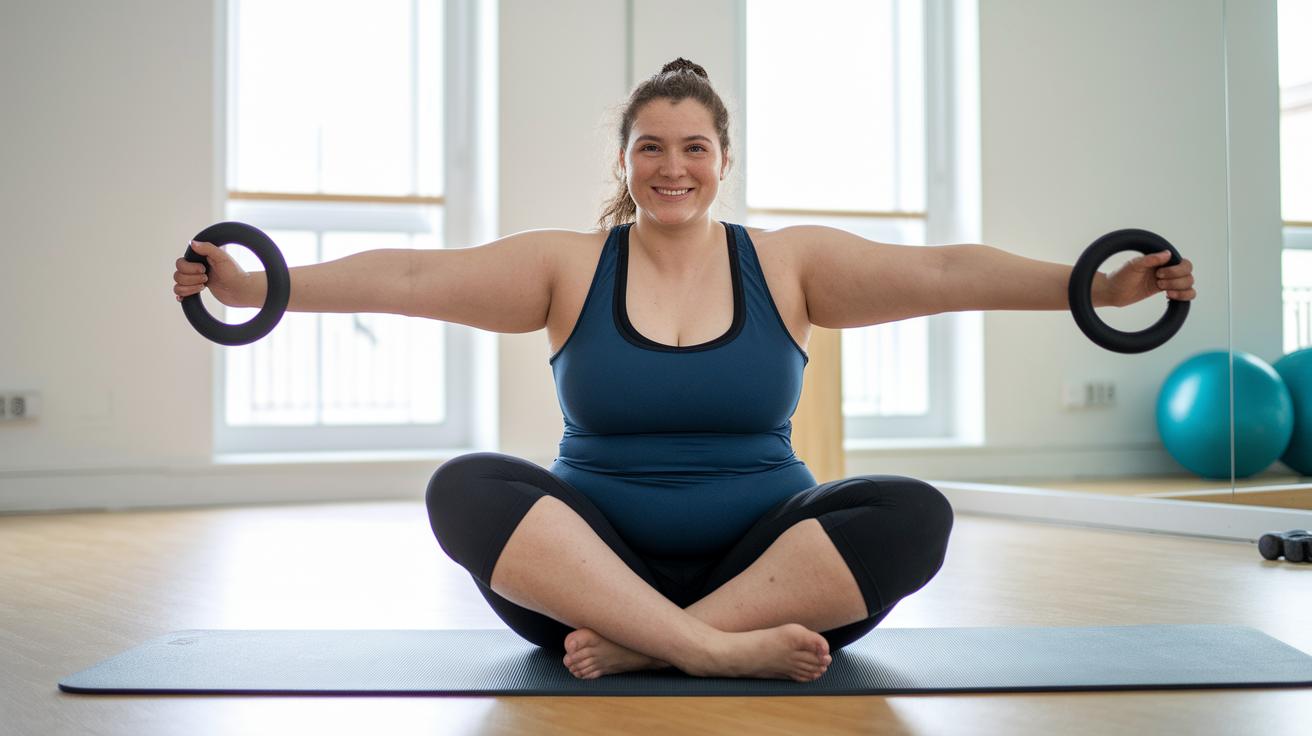
Pilates has a reputation for elegant mat sequences, but it’s also an unsung hero for plus-size beginners. Movements are slow, controlled and performed close to the floor, minimizing falls and impact. The focus on deep-core activation helps stabilise the spine, which can be challenged by carrying extra mid-section weight. Start with a certified instructor who can provide modifications like using a resistance ring instead of lifting both legs. Expect better posture, improved balance and a tummy that feels “switched on” during everyday life. Couple one Pilates session a week with your cardio to round out a balanced routine.
Your Knees Will Thank You: Why Running Too Soon Hurts
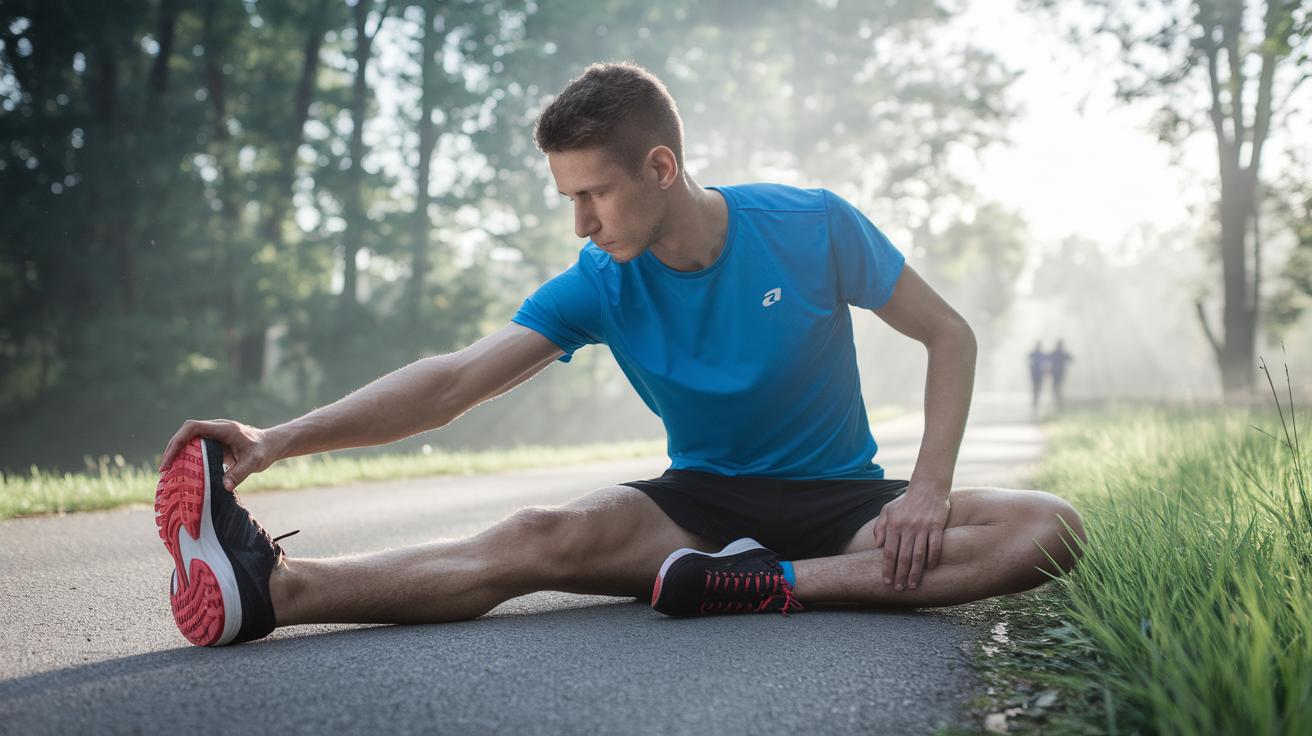
Running taxes the knees most when quadriceps are weak and bodyweight is high, so jumping into a 5 K on week one is a recipe for the dreaded sharp, stabbing pain behind the kneecap. Each heel strike creates a braking force that the connective tissue must absorb. Build aerobic base first with walking and cycling, then introduce short jogging intervals: 30 seconds of jog, 90 seconds of walk, repeated eight times. If discomfort appears, regress and add more strength work. Respecting this progression keeps cartilage healthy, allowing you to enjoy pain-free runs later instead of quitting early.