

Have you ever thought that your shopping choices might lead to big changes in how stores operate? A survey of over 700 shoppers reveals that buying habits are evolving quickly.
Today, consumers are shifting towards online, mobile, and ethical buying options, even though many are tightening their budgets because of recession worries.
This trend is pushing retailers to act fast. They are now relying on smart data and creative ideas to build shopping experiences that truly match today’s needs.
Modern Consumer Trends Fuel Bold Shopping
A recent survey of over 700 shoppers shows that buying habits are changing fast. Consumers now have $16.1 trillion to spend, setting a high goal for store growth. Almost half of those surveyed (47%) say they are cutting back as they worry about a possible recession. This news means stores must come up with new plans quickly.
The survey tells a clear story. Digital changes and pandemic supply issues have shifted the way people shop. Old methods are being replaced by tech-friendly options where online buying is more popular than going to a store. As these trends grow, brands are using data and quick actions to win customers.
• More shopping is happening online or on mobile devices.
• Buyers want products that are ethical and eco-friendly.
• Subscription and rental options are getting more popular.
• Fast home delivery and a variety of payment methods are in high demand.
• Shoppers expect a personal touch and strong data privacy.
All these shifts are part of a bigger picture that helps stores decide how to change their strategies in a competitive market. Retailers are looking at these survey results (https://realrealnews.com?p=207) and adjusting by upgrading digital tools, adding ethical product lines, and blending online with in-store experiences. These changes are designed to match what today's buyers want and to help drive growth even when the economy feels unsure.
Sustainability and Ethical Practices Shaping Modern Consumer Trends

Digital buyers today are leaning more towards products that care for the planet. They want items that support a clean, green future while still fitting into their busy lives. This trend shows that everyday shoppers are now making choices that help protect our environment.
Companies are shifting their focus to how they source and create their products. Ethical sourcing and recycling practices are becoming the norm. For instance, subscription rental models are showing average order value boosts, about 15% in beauty, 10% in food, and 6% in health. Consumers are also attracted to eco-friendly options like bamboo clothing, which is biodegradable, and products that come with clear fair-trade labels.
| Practice | Consumer Focus |
|---|---|
| Bamboo Clothing | High demand for biodegradable fabrics |
| Subscription Rentals | Steady 10–15% AOV gains |
| Eco-Packaging | Expectation of minimal waste |
| Ethical Sourcing | Preference for fair-trade labels |
In response, brands are making their eco-friendly practices a clear part of their identity. They share honest stories about where their products come from and back them up with proof of sustainability. This keeps customers feeling good about their purchases and builds lasting trust.
Digital and Mobile Commerce Evolution in Modern Consumer Trends
Mobile shopping is completely changing the way we buy things. More and more people now use their smartphones to compare prices and make purchases while they are out and about. A lot of shoppers even discover new products on social apps. It’s like checking the weather on your phone, you get quick, easy information, and now you get fast shopping too. It feels natural, almost like sending a text message.
Alternative payment choices are also making checkout simpler. Consumers expect to use options like Venmo, CashApp, Zelle, and even cryptocurrency. Wallet apps now let you store several payment methods safely so that you can complete your purchase with little hassle. Retailers are catching on by adding these new payment methods to their online stores, which builds trust and makes the process more flexible for everyone.
Then there are contactless and QR-code payments. These let people finish their spending without even touching anything directly. Whether you are shopping in a store or buying from home, these methods add an extra layer of ease that many buyers appreciate.
Personalization & Omni-Channel Experiences in Modern Consumer Trends
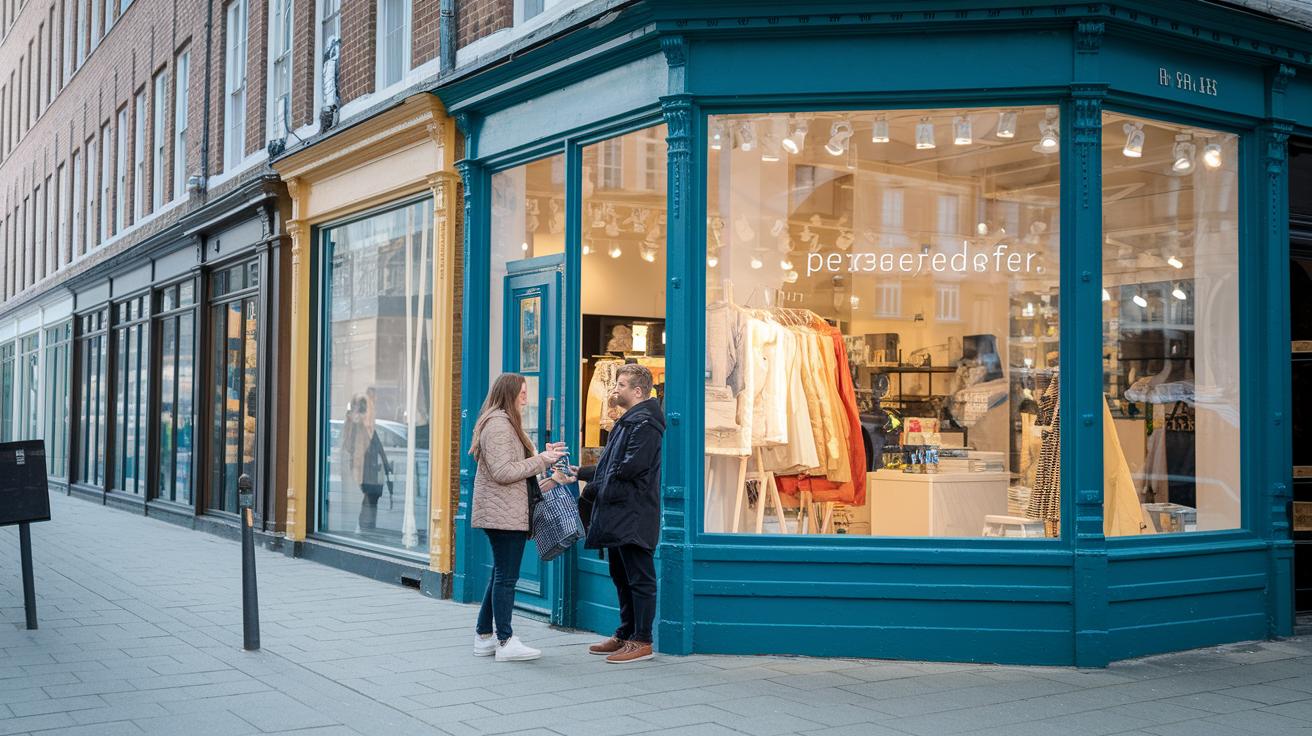
Today’s shoppers want service that truly fits their needs. Nearly 75% of people prefer interactions that feel custom-made. This means every encounter should seem as if the brand already knows your tastes. Imagine getting a note like, "Today's special: a discount on your favorite product", it makes you feel understood.
Algorithmic Personalization Modes
More brands are using smart technology and real-time data to tailor every customer contact. They rely on clever computer programs to recommend products, adjust prices, and roll out special deals just for you. Picture browsing a site where the offers change right when you need them. Companies also build trust by clearly sharing how they use your data and letting you decide what to share. It’s like receiving a friendly message saying, "Enjoy 20% off on what you love today."
Designing Seamless Omni-Channel Journeys
Besides digital customization, keeping a unified brand look across all platforms is key. Whether you shop online, through a mobile app, or in a physical store, the experience remains smooth and consistent. Brands track real-time activity to see what works best and adjust your experience accordingly. You might start online, check out some mobile recommendations, and then complete your purchase in a store, all parts of one connected journey.
Social Commerce & Influencer Impact on Modern Consumer Trends
Social media apps have turned into popular spots where people discover products and check out quickly. With 87% of U.S. adults active online, places like TikTok and BeReal are where everyday folks catch trends while scrolling through fun, casual posts. It makes shopping on these platforms simple and stress-free.
Influencer marketing is another big piece of the modern shopping puzzle. About 29% of buyers say they find new products thanks to recommendations from influencers they trust. Newer platforms are quickly taking the lead, so brands often find it tricky to choose where to put their money. Shoppers know what they want, they look for honesty and clear opinions. When influencers share real experiences, it builds a bridge of trust between the brand and the customer. This trend makes companies rethink how they use influencers in their advertising plans.
Brands are also leaning into strategies that highlight genuine customer stories. By inviting buyers to share reviews, photos, and creative videos, companies are building a lively online community. Simple ideas like interactive challenges and live sessions help create a space where every customer's voice matters. In essence, these efforts not only boost trust but also make shoppers feel like they are part of an ongoing, brand-driven conversation.
Future Forecasting of Modern Consumer Trends

Consumers are moving toward more personalized experiences, and digital trust now plays a big role as new generative AI tools emerge. Brands are using smarter AI to predict customer needs and shape online interactions. At the same time, rising concerns about data privacy are pushing companies to revamp their security measures and build trust with users. Did you know that before becoming a famous scientist, Marie Curie once carried test tubes of radioactive material in her pockets? That surprising fact reminds us how risks can be overlooked until it's too late.
Scenario-based forecasting is now a key tool for companies to understand how changes in AI and privacy might affect consumer behavior. By simulating different outcomes, businesses gain clear insights into potential market shifts.
At home, innovations like wellness apps and personalized care are changing how we approach health and mindfulness. Forecasting models include these trends, balancing advances in technology with stricter privacy standards. This strategy provides brands with a practical blueprint to meet new consumer expectations while tackling the challenges of tomorrow.
Final Words
In the action, our report examined dynamic buying behavior, ethical sourcing, and digital shifts that drive today's markets. We touched on the rise of mobile commerce, a growing demand for eco-friendly options, and tailored experiences across channels.
Each part highlighted the need for brands to adjust quickly while planning for economic shifts. The discussion underscored how businesses can rely on emerging tactics and consumer insights to stay competitive. Embracing modern consumer trends paves the way for forward-thinking strategies and a positive market outlook.
FAQ
What are some modern consumer trends examples?
Modern consumer trends examples include a rise in digital shopping, ethical and sustainable purchases, subscription-based models, fast delivery options, and personalized experiences driven by data insights.
What are the top consumer trends for 2025?
Consumer trends for 2025 highlight increased digital and mobile commerce, ethical buying practices, innovative payment methods, and seamless omni-channel strategies, positioning brands for better customer connections.
What are the latest trends in consumer behavior?
The latest trends in consumer behavior reveal a shift toward online purchasing, increased value for ethical sourcing, faster delivery expectations, and a demand for personalized interactions across digital and physical channels.
Where can I find detailed consumer trends reports or PDFs?
Detailed consumer trends data can be found in PDF reports that compile survey insights, market analyses, and research on shifting buying habits influenced by digital transformation and economic concerns.
What are the key global consumer trends right now?
Global consumer trends show an emphasis on digital shopping growth, sustainable purchasing, subscription models, diverse payment options, and evolving personalization strategies that shape decisions across different markets.