

Have you ever wondered if a market trading trillions a day can really predict our economic future? Global markets give us clues with every trade.
Every deal, whether it’s in stocks or bonds, sends out a signal that helps investors and policy makers spot trends. Even small moves can hint at bright trends. This shows that these markets are much more than just a pile of numbers.
In this post, we break down key parts of the market to see how they help steer the global economy.
Understanding Global Financial Markets: Key Definitions and Scope
Global financial markets are like big trading floors where people buy and sell items such as stocks, bonds, derivatives, and currencies across the world. Picture it as a bustling market where borrowers, investors, and institutions come together. A fun fact to note: currency trading, known as the forex market, moves over $6 trillion every day, highlighting just how huge and intertwined these markets are.
Big names like the New York Stock Exchange, London Stock Exchange, and Tokyo Stock Exchange work hand in hand with many over-the-counter venues. These exchanges help people invest in stocks and balance their risks by keeping an eye on changes in important numbers like GDP or interest rates. Think of a country’s trade balance like a weather vane, it often hints at shifts in the economy.
Many factors affect these financial markets. For instance, changes in interest rates or shifts in trade balances can cause asset prices to move up or down. This ever-changing scene means that those involved in the market need to keep a close watch on trends and shifts. Capital flows from one country to another as investors hunt for the best opportunities, and local events can have ripple effects around the world.
By connecting how money moves internationally with key economic signals, global financial markets weave a complex network of supply and demand. This ongoing dance helps resources get used efficiently and offers crucial insights for policy makers and market analysts alike.
Main Segments of Global Financial Markets: Stocks, Bonds, Forex, Derivatives, Commodities

Stock Markets
Stock markets such as the NYSE, LSE, and TSE are key places where people buy and sell company shares. They offer a clear stage for companies to list their stocks and help set prices. Investors can tap into evolving market trends and earn through dividends or capital gains. Fun fact: a young investor once used smart, local trading moves to kickstart a journey that led to major tech success. It just goes to show that big wins can start in small ways.
Bond Markets
Bond markets let governments, companies, and cities issue bonds that now add up to over $128 trillion worldwide. They provide tools for balancing risk and reward, making them ideal for those who want a steady stream of income. For more details, check out global capital markets.
Foreign Exchange Markets
Every day, more than $6 trillion changes hands in the forex market. This market focuses on trading different currencies and is influenced by major players like central banks and hedge funds. Investors keep a close eye on this space to spot good moves when exchange rates shift.
Derivatives Markets
In the derivatives market, tools like futures, options, and swaps help investors manage risks or bet on market changes. These instruments serve as a way to plan for uncertainty and protect investments. You can learn more about them at global capital markets.
Commodity Markets
Commodity markets deal with tangible goods like energy, metals, and food products. They play a crucial role in the global economy by connecting producers with buyers all around the world.
| Market Segment | Key Features | Average Daily Volume |
|---|---|---|
| Stocks | Equity investments, price setting | N/A |
| Bonds | Government, corporate, municipal bonds | N/A |
| Forex | Currency trading driven by central banks | $6+ trillion |
| Derivatives | Futures, options, swaps for hedging or speculation | N/A |
| Commodities | Trading of energy, metals, and agricultural goods | N/A |
Drivers of Volatility and Trends in Global Financial Markets
When political news and economic signals mix, markets can flip in a heartbeat. Global events, such as trade disputes or sanctions, can set off sudden market swings. Imagine a trade dispute breaking out, prices can start bouncing around like a stormy sea.
Central bank moves are major players too. When interest rates change, it impacts both bond values and stock prices. Think of a rate hike like a quick shift in the wind, suddenly, bond prices slide.
Liquidity, which is how easy it is to buy or sell assets, can shrink during tough times. Take the March 2020 sell-off as an example: there were fewer buyers and sellers available, making the market even more jittery.
Investor mood plays its part as well. Tools like the VIX or consumer confidence scores often follow the market’s ups and downs. When sentiment dips, prices tend to fall.
Plus, trading by computers, often called algorithmic and quantitative trading, can add extra push to these moves. Even small changes can spark rapid reactions, much like a tiny spark turning into a blaze.
Cross-Border Capital Flows and Integration in Global Financial Markets
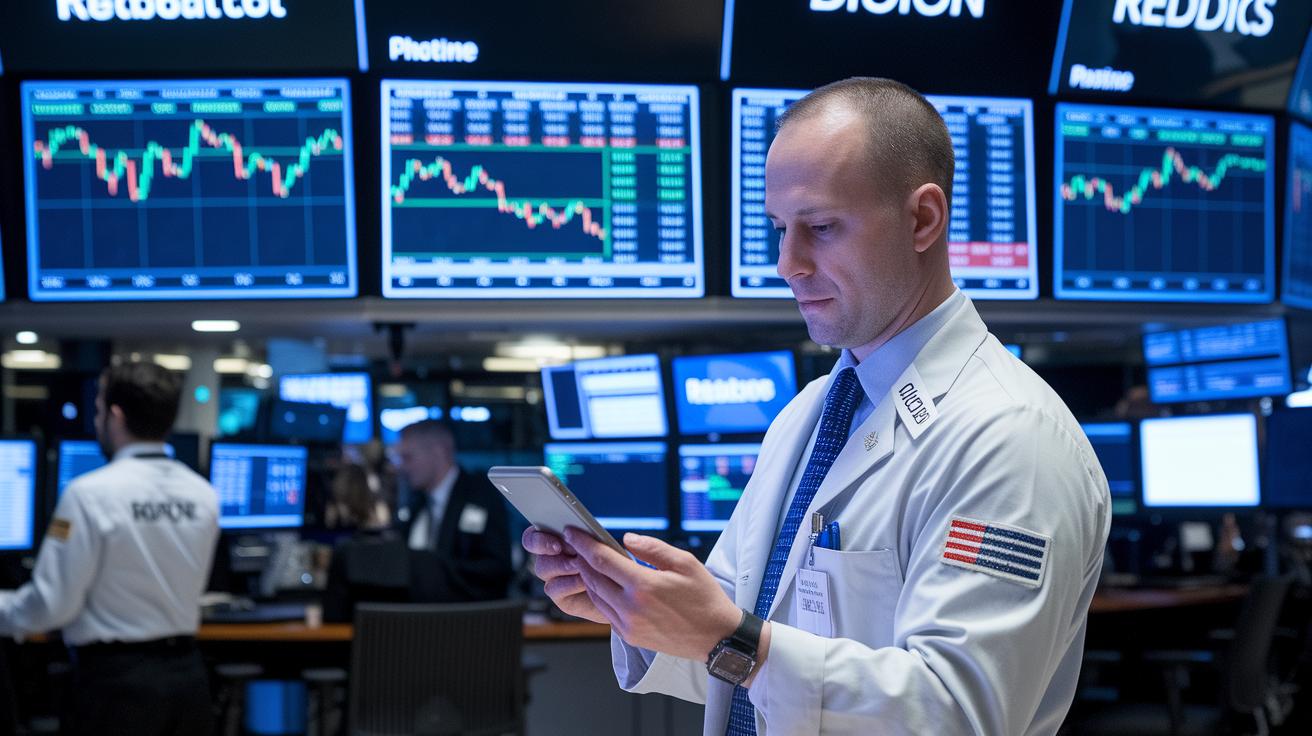
Investors use tools like American Depository Receipts, exchange-traded funds, and direct listings to buy foreign stocks. These instruments expand their choices and let money flow easily between countries. Every day, cross-border trading in securities tops $500 billion, showing just how busy international markets are.
Trade balances can affect a country’s currency and company earnings. For example, when a country has a big trade surplus, its currency may get stronger. This change can shift the way investments work, pushing businesses to tweak their strategies in different markets.
Research has found that during financial stress, stocks and bonds often move together. This means a problem in one market might quickly impact another. Investors and analysts use these trends to manage risk and build well-balanced portfolios.
Since the 2008 financial crisis, changes in clearing systems have lowered risk during trades. These improvements help protect market players while making international transactions smoother. Overall, better processes support strong cross-border trading and economic integration.
Around the world, investors benefit from a network that makes trading both stable and dynamic.
Regulatory Frameworks and Policy Influences on Global Financial Markets
Have you ever noticed how a small policy change can send ripples through global markets? On September 22, 2025, GFXD and ISDA joined forces to reply to FCA CP 25-20 about the SI regime for bonds and derivatives. This move shows that tweaking regulations can change market practices and boost cross-border capital flows. And here's a fun fact: before diving into policy advocacy, one regulatory expert recycled old compliance manuals to spark fresh oversight ideas – an early move that changed modern compliance thinking.
Key oversight rules set by the SEC in the US, the FCA in the UK, and ESMA in the EU help make sure companies stick to regulatory standards. GFMA ALLIANCE members like AFME, ASIFMA, and SIFMA have also been sharing helpful resources, including a COVID-19 hub launched in March 2020, to face challenges that know no borders.
Central bank policy shifts, such as liquidity injections and adjustments to capital buffers, have added important stability during uncertain times. These coordinated steps remind us just how vital transparent regulation and working together are for keeping global financial standards strong.
Strategies and Best Practices for Investing in Global Financial Markets

Diversification is still the smart way to invest. Building a balanced portfolio is a bit like making your favorite sandwich: each ingredient adds its own flavor and strength. When you spread your money among stocks, bonds, and other alternatives, you lower your risk while still catching new growth chances.
Many investors follow a common pattern, a 60/40 split between stocks and bonds, with extra adjustments for currency needs as markets change. If one part of your investments struggles, another can help keep things steady, much like swapping a heavy raincoat for a reliable umbrella. Take sustainable and ESG (environment, social, and governance) funds as an example: by 2020, these funds had grown to $30 trillion in assets, showing that ethical investments can work both for profit and purpose.
Hedge funds add an interesting twist. They use trend-following CTAs and global macro strategies to boost returns (alpha means the extra profit you earn above the standard market gain). One trader once said, "Managing risk is like reading the forecast; it prepares you for unexpected market storms." This shows how active strategies still play a key role in managing investments today.
New alternatives like blockchain-based settlement and custody services are also making waves. They increase cross-border efficiency, much like upgrading from sending letters through snail mail to firing off instant emails. These innovations are changing how trades get cleared around the world.
Investors can dive into practical portfolio frameworks and risk management tips by checking out resources like strategies for global markets. Embracing these best practices can help you build a strong, diverse portfolio that can weather market shifts and set you up for future growth.
Final Words
In the action, the post broke down what makes the markets tick. It brightened light on system components like stocks, bonds, forex, derivatives, and commodities, while unpacking key drivers like policy moves, economic indicators, and investor sentiment.
It also explained how funds cross borders and how updated regulatory frameworks shape activities. These insights help guide smart decisions on risk, investment strategies, and emerging opportunities in global financial markets.
FAQ
What are global financial markets?
The global financial markets refer to the international systems where stocks, bonds, currencies, and derivatives are traded. They connect investors and institutions, supporting cross-border capital flows and economic growth.
What are the 4 types of financial markets?
The four types of financial markets include stock markets, bond markets, foreign exchange markets, and commodity markets. Each type offers distinct opportunities and risks for investors and traders.
What are the 5 largest stock markets in the world?
The five largest stock markets usually include the New York Stock Exchange, NASDAQ, London Stock Exchange, Tokyo Stock Exchange, and Shanghai Stock Exchange, which handle significant equity transactions globally.
What is the biggest financial market in the world?
The biggest financial market is the foreign exchange market. It trades over $6 trillion in currency transactions daily and is crucial for international economic activity and liquidity.
What do terms like “Global financial markets PDF,” “news,” “book,” “course,” “law,” and “stocks” refer to?
These terms indicate various formats and topics related to global financial markets, including detailed reports, current market updates, educational resources, legal frameworks, and equity trading information.