

After the thrill of childbirth, it’s tempting to sink into the sofa and blame every ache on “baby fat.” Yet your body is wired to recover—and it will, if you give it a nudge. The ten at-home moves below zero-in on the core, hips and pelvic floor, easing back pain, decompressing the spine and re-awakening muscles stretched by pregnancy. Start gently, breathe deeply and progress at your own pace. Clear any medical concerns with your doctor first, then trade the pumpkin pose for purposeful movement. Your mission: rebuild, realign and, yes, unfat! Here’s the plan, one exercise at a time.
Sumo Squats: Re-ignite Lower-Body Power
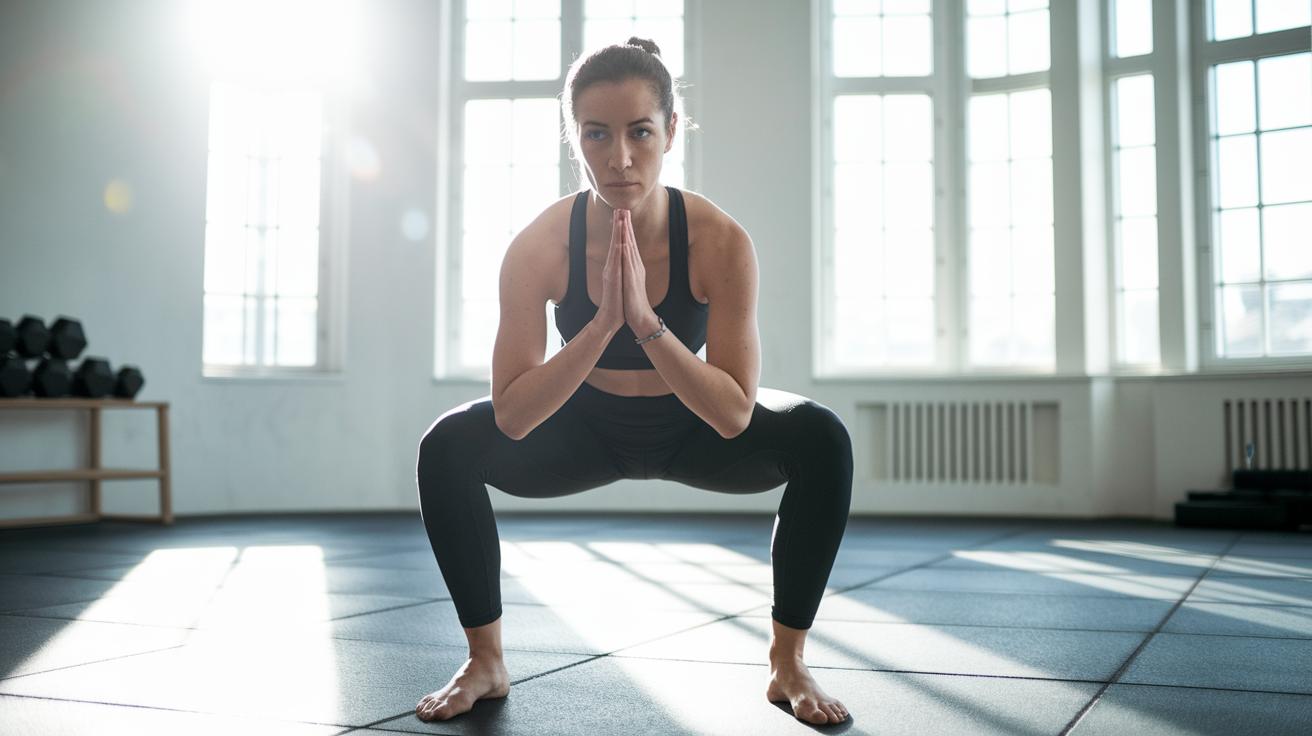
Plant your feet wider than shoulder-width, toes turned slightly out. Inhale as you sit back and down, keeping your chest tall; exhale to drive through the heels and rise. This stance opens tight hips, re-engages sleepy glutes and improves pelvic stability, crucial after nine months of carrying extra front-loaded weight. Begin with sets of eight to ten reps, hands clasped in front for balance, or hold your newborn against your chest for added resistance (bonus bonding time!). Focus on slow, controlled movement; think “knees out, core braced.” Aim for three rounds, resting as needed. Your quads and backside will thank you.
Glute Bridge: Wake Up the Posterior Chain
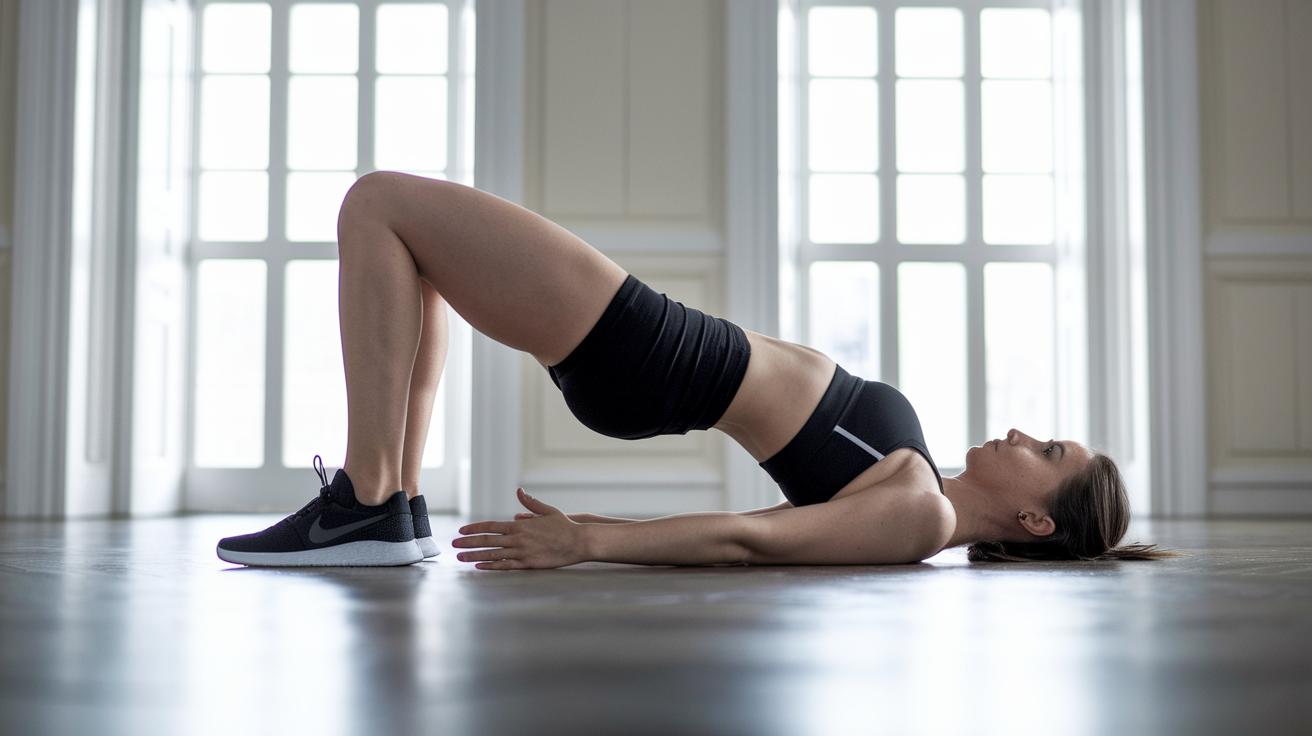
Lie on your back, knees bent, feet hip-width apart. Press your lower back into the floor, inhale, then exhale as you squeeze your glutes and lift your hips until your body forms a straight line from shoulders to knees. Pause for two seconds, lower with control. The glute bridge counteracts pregnancy-induced anterior pelvic tilt, relieves low-back tension and strengthens hamstrings without stressing sensitive joints. Add a mini-band above the knees or place your baby on your pelvis for gentle overload once form feels solid. Work up to three sets of 12–15 reps, maintaining a neutral neck and steady breathing.
Bird Dog: Core Stability From the Inside Out
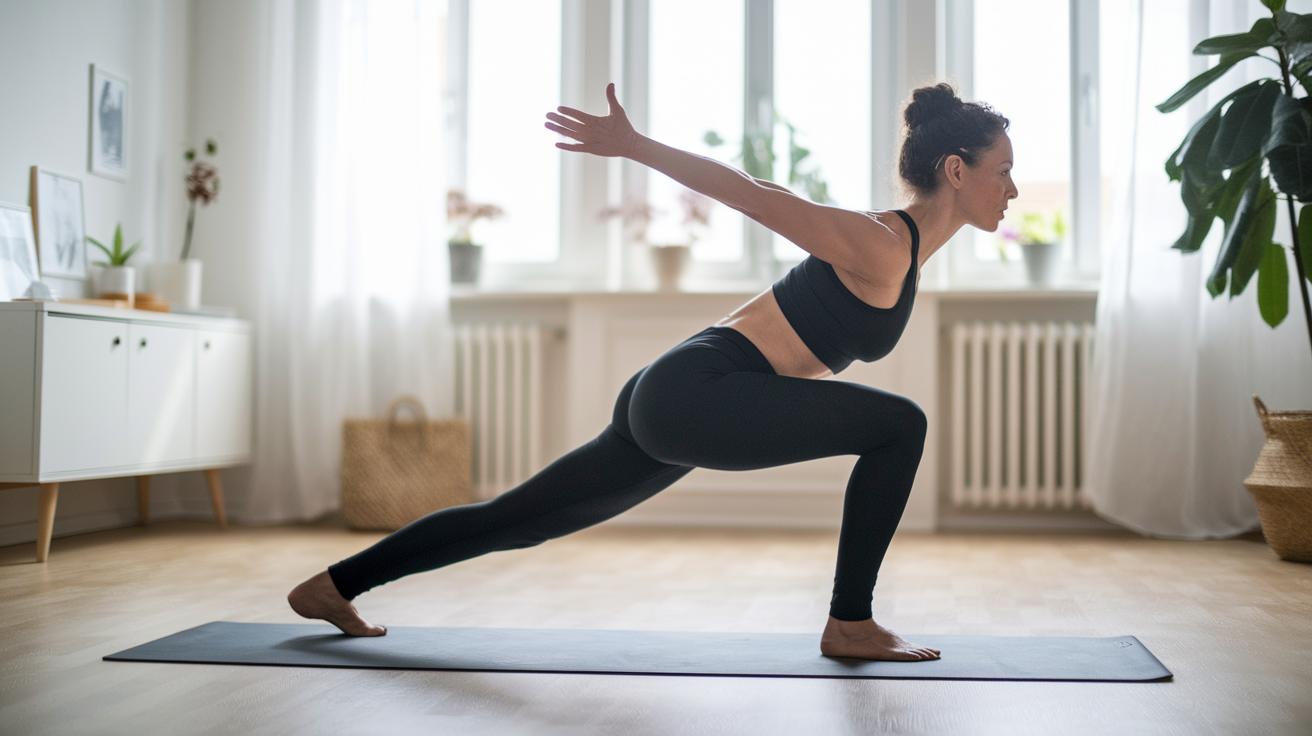
Start on all fours with wrists under shoulders and knees under hips. Engage your core, then extend your right arm forward and left leg back, forming a straight line finger to heel. Hold for two seconds, resisting torso rotation, then return and switch sides. This deceptively simple move re-activates deep stabilizers, transverse abdominis, multifidus, that were stretched during pregnancy. It also teaches the brain to fire opposite limbs in unison, a key gait pattern when you’re back to daily walks. Begin with eight slow reps per side, eyes on the floor to keep the neck neutral. Quality trumps quantity here.
Downward Dog to Up Dog: Spine-Lengthening Flow
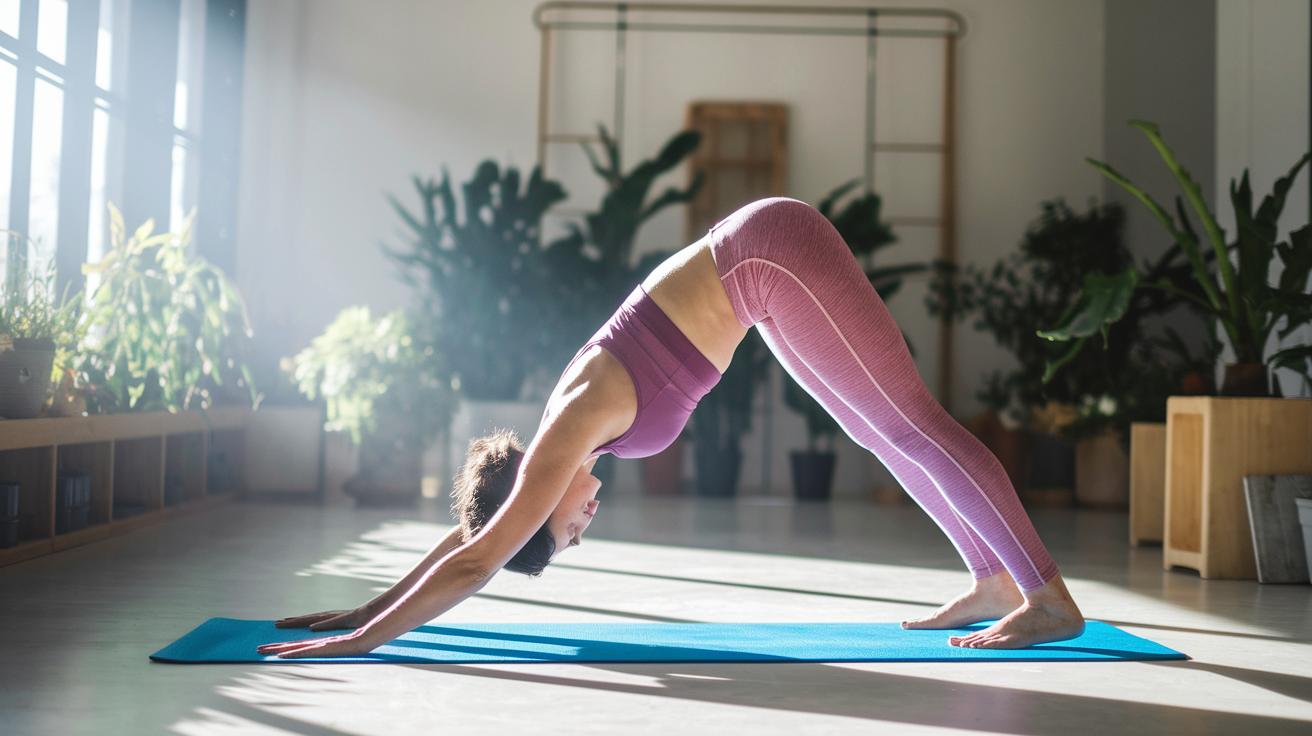
From hands-and-knees, tuck toes, press hips high into Downward Dog, lengthening calves and hamstrings while decompressing the spine. Inhale, ripple forward into plank, drop hips and lift chest into Up Dog, shoulders away from ears. Exhale, push back to Down Dog. This gentle vinyasa alternates spinal flexion and extension, easing stiffness from nursing and cradle-rocking marathons. Move slowly, syncing breath with motion: inhale forward, exhale back. Five to eight cycles is plenty for beginners. If wrists protest, prop hands on yoga blocks. Feel taller, lighter and re-energized in under two minutes.
Dead Bug: Bulletproof Your Midsection
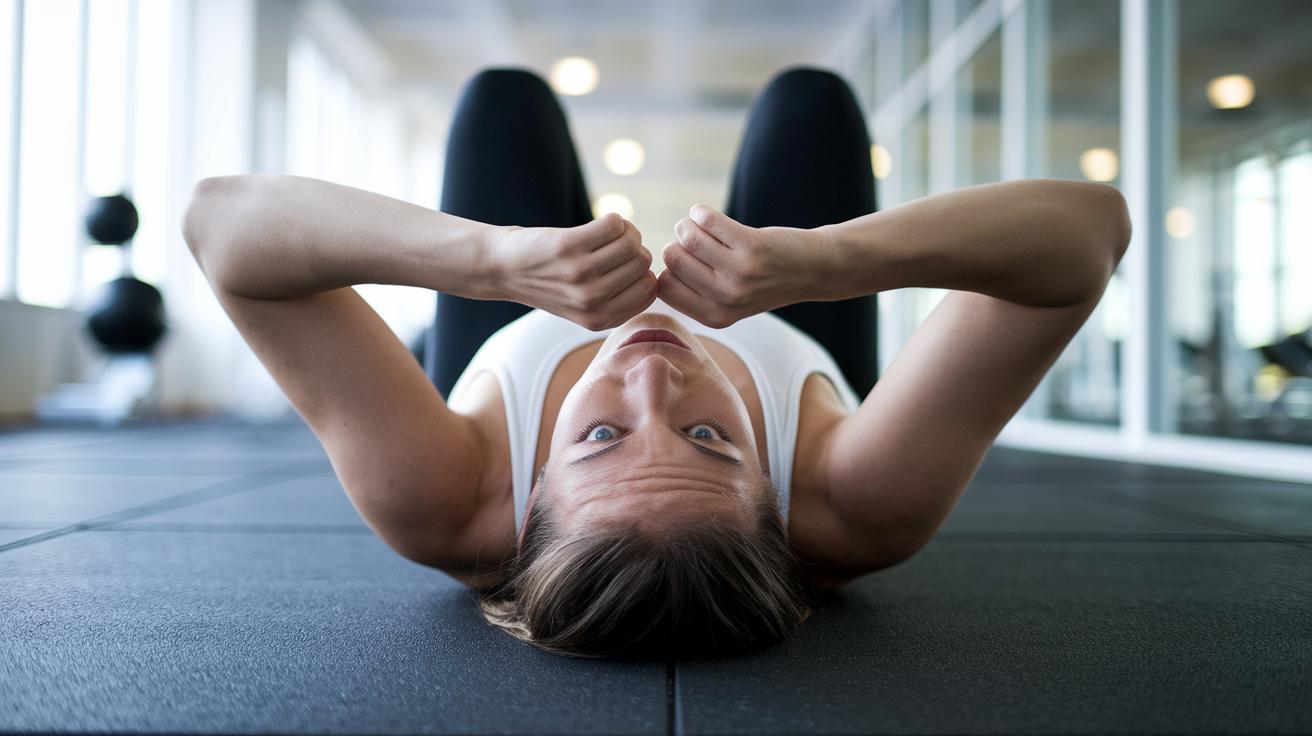
Lie on your back, arms extended toward the ceiling, knees bent to 90° above hips. Flatten your lower back; this is non-negotiable. Inhale, then exhale as you lower the right arm and left leg toward the floor without arching. Return and alternate. The dead bug trains anti-extension, vital for protecting a healing linea alba (your midline). Keep movements slow and the ribcage knitted down. If coordination falters, tap heel instead of fully extending. Shoot for three sets of six to ten controlled reps per side, resting 30 seconds between. Your core will feel worked, not wrecked.
Superman: Back-Body Reboot

Prone on the mat, extend arms overhead, legs straight. Inhale; on the exhale, lift arms, chest and legs a few inches, squeezing glutes and drawing shoulder blades together. Hold two seconds, lower with control. Pregnancy often leads to rounded shoulders and weakened upper-back muscles; the superman reverses that posture by firing the entire posterior chain. Keep gaze down to avoid neck strain and focus on long, not high, lifts. Start with eight reps, progress to 12. Add a flutter kick variation for extra challenge once basic strength returns.
Dead Hangs: Decompress and De-Stress
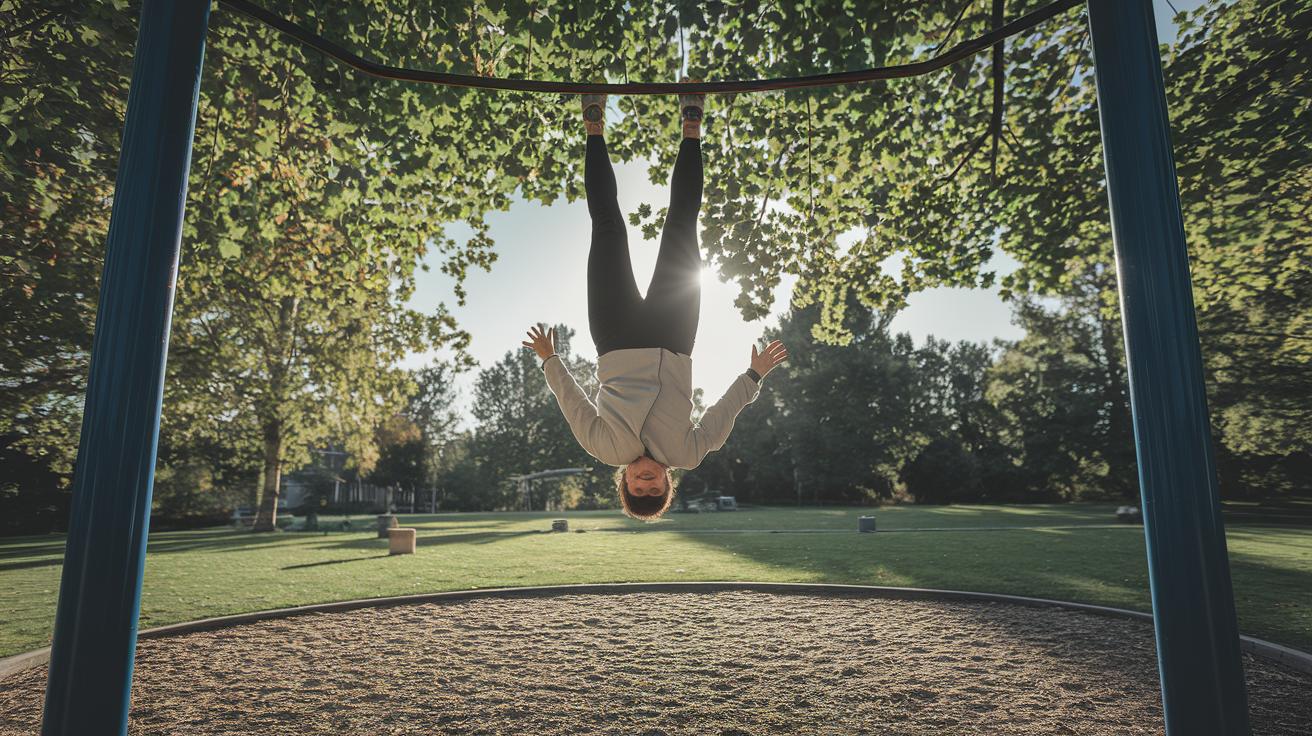
Grip an overhead bar with hands shoulder-width. Allow your body to hang, feet either floating or lightly touching the floor for support. Breathe deeply, feeling your spine elongate and shoulder joints open. Just 10–20 seconds per set combats the rounding and tightness that accompany endless diaper changes and stroller pushing. Dead hangs also re-introduce grip strength, paving the way for future pull-ups or simply lugging car seats with ease. Perform two or three hangs between other exercises. If full bodyweight feels daunting, keep toes on the ground and gradually shift more weight to your arms.
Frog Jumps: Cardio and Plyo in One
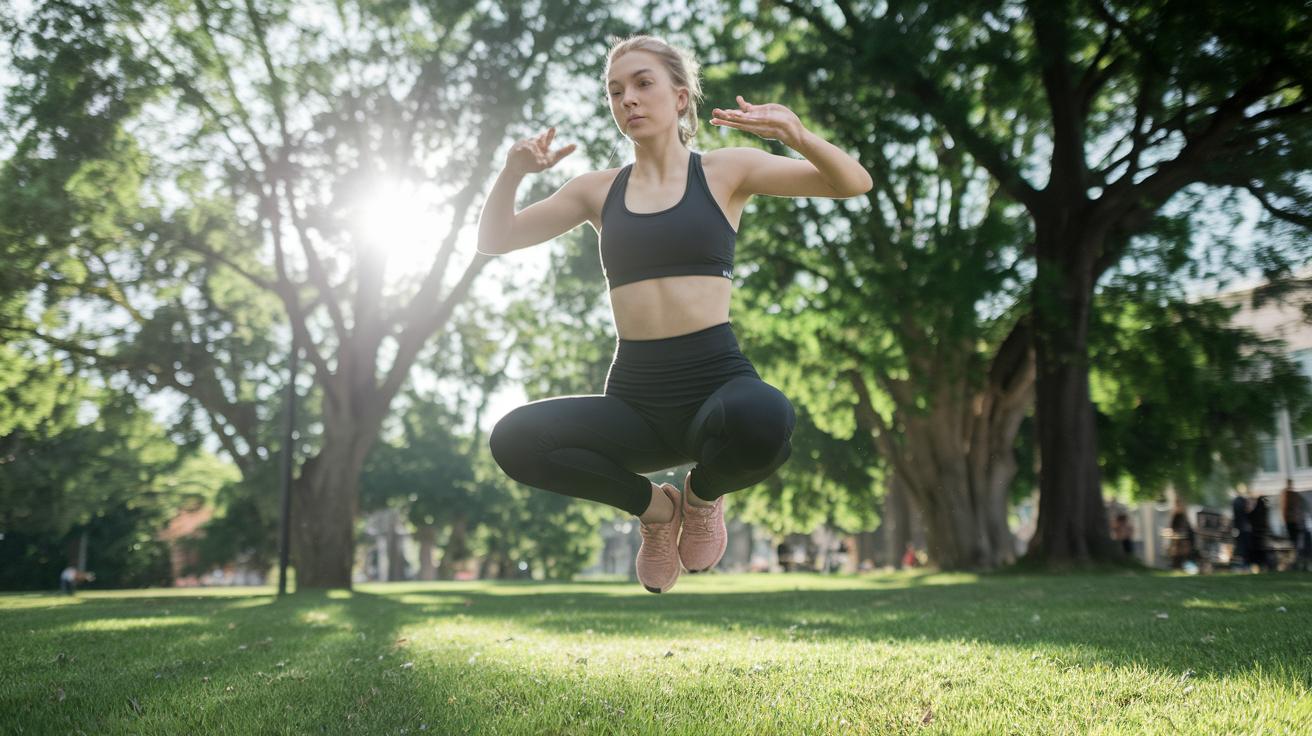
Stand feet wider than shoulders, toes out. Squat deep, touch fingertips to the floor, then explode upward, arms reaching overhead. Land softly, absorbing impact through hips and knees. Frog jumps elevate heart rate, torch calories and re-energize pelvic floor muscles when performed with proper bracing. Keep sets short: six to eight reps, two rounds, focusing on landing quietly. If jumping feels too intense at first, perform “frog rises”, heel raises at the bottom of the squat, to build strength without impact. Always exhale on effort to protect core integrity.
Turkish Get-Up: The Total-Body Reset Button

This classic move rebuilds coordination, mobility and strength in a single package. Start lying on your back holding a lightweight (even a water bottle) straight above one shoulder. Follow the seven-step sequence: roll to elbow, post to hand, bridge hips, sweep knee, half-kneel, stand, then reverse. Each phase demands core engagement and shoulder stability, ideal for moms reaching awkwardly into cribs or car doors. Practice first with no weight, mastering the pattern for three reps per side. Progress slowly; quality and control trump load. Expect a mini-pilates session disguised as strength work.
Kegels: The Invisible MVP
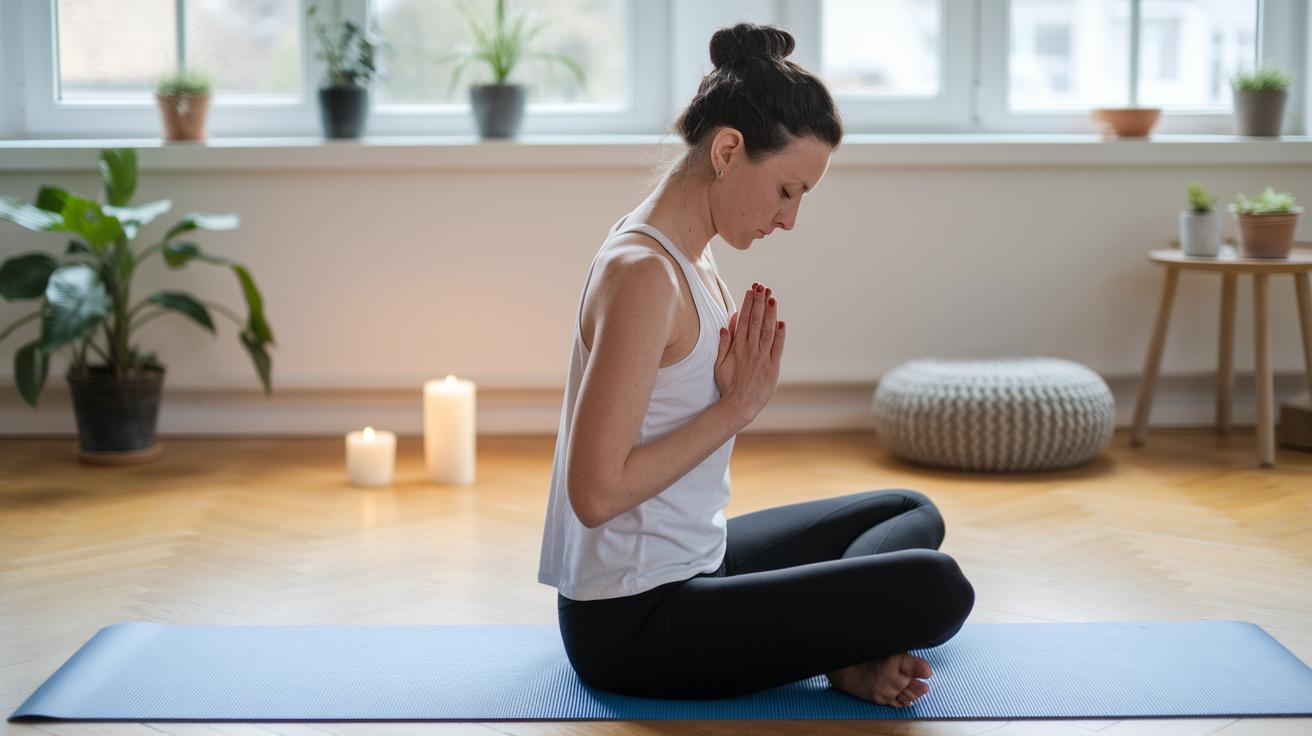
No postpartum routine is complete without pelvic-floor training. To perform a Kegel, imagine stopping the flow of urine: contract those internal muscles, hold five seconds, release for five. Aim for three sets of ten holds daily, seated or standing. Avoid squeezing glutes or thighs; the work should be subtle. Kegels restore continence, support organs and enhance core stability, making every other exercise safer and more effective. Combine them with diaphragmatic breathing: inhale to relax, exhale to contract. Consistency is key, sprinkle reps throughout the day while feeding, scrolling or even brushing teeth.