

Can our healthcare system quickly adjust to a future full of advanced care? Medical technology is making big strides with cool innovations like SnkeXR's medical AR glasses and smarter patient tools. These new inventions give doctors clearer views for diagnosing problems and performing safer treatments.
In this post we take a closer look at how ideas that once felt like science fiction are now helping solve everyday challenges. We also explore how cutting-edge tools work together with strict safety rules to point the way toward better health for everyone.
Med Tech Trends: Key Breakthroughs Shaping 2025
Medical technology is moving fast, and 2025 could be a big year for healthcare. New tools like the SnkeXR medical-grade AR glasses, recently introduced at the MDIC Medical Extended Reality Summit, are turning what once felt like science fiction into practical solutions. There's also a push for safety as regulators work hard to keep patient care the top priority while advanced AI is integrated into our health systems.
- Augmented reality platforms: Devices like SnkeXR are changing the way surgeons see and diagnose conditions in real time. Think of it as moving from a small lab experiment to something that can truly improve patient care.
- AI-driven policy: Experts are urging agencies like the MHRA to focus on patient safety, even as the use of AI in healthcare regulation grows.
- Advanced catheter stabilization: New improvements in catheter care are promising more precise procedures and fewer complications in hospitals.
- Transdermal drug delivery: Innovative drug patches are making dosing more controlled and efficient. Recent trials, for example, have shown successful transdermal testosterone delivery.
- Precision packaging: Cutting-edge packaging machines for medical devices are ensuring even the tiniest parts meet strict safety and sterility standards.
These breakthroughs highlight how med tech leaders are reshaping the industry. By marrying digital health trends with everyday practicality, they are paving the way for a future where technology and regulations work together to drive better healthcare solutions and robust research.
Med Tech Device Advances: Next-Generation Equipment and Biosensors
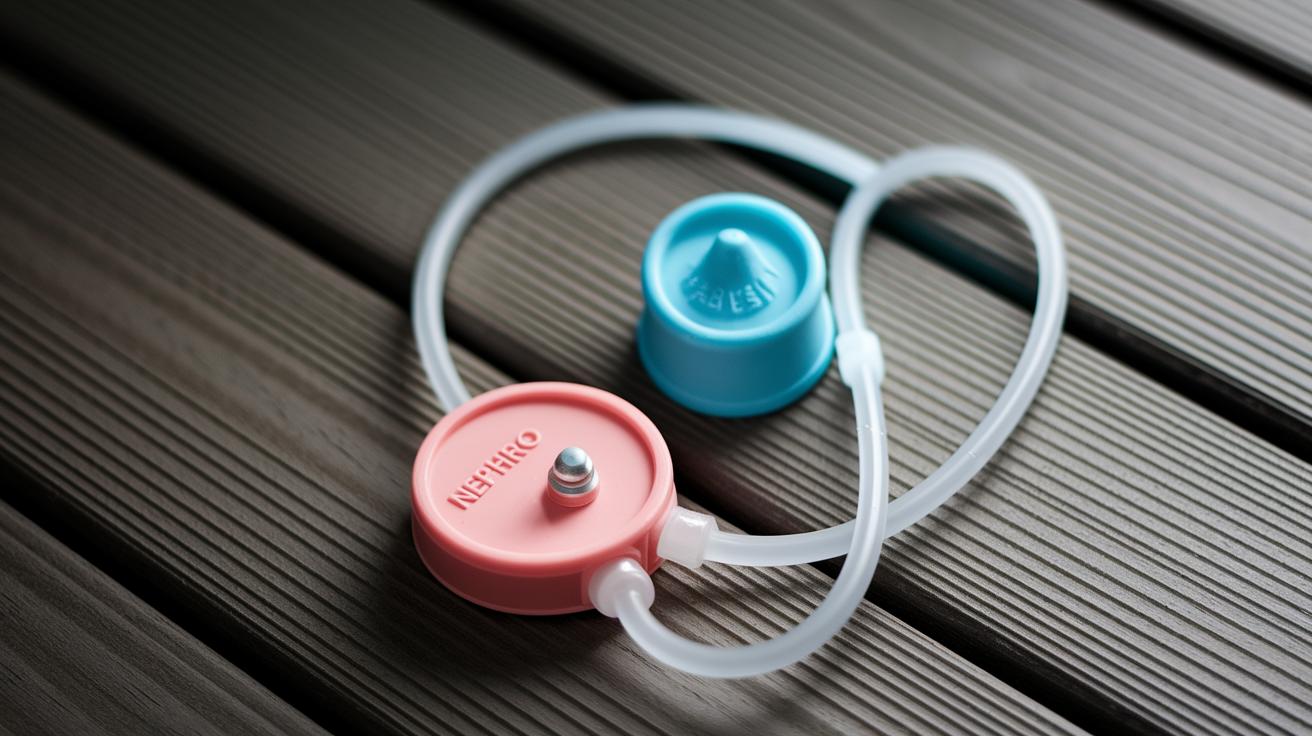
Fresh advances in medical technology are making day-to-day healthcare better with smart, practical improvements. Cathetrix has rolled out two new products that help keep catheters secure during delicate procedures. Nephro-Safe adds extra stability to nephrostomy tubes, while Foley Safe brings in active features that boost catheter performance.
At the same time, packaging equipment is getting a well-needed upgrade. Shawpak's new LT range of linear thermoforming machines, made in the UK, is designed for top-notch precision in medical device packaging. These machines work with even the tiniest parts, keeping products clean and ready for use. Ampacet is also joining the effort by offering masterbatches that help maintain both sterilization and permanent antistatic properties in medical-grade plastics. These innovations are essential for making sure that devices perform well and meet strict safety rules.
New biosensor and imaging technologies are stepping into the spotlight. They promise clearer, real-time insights during procedures, which means less invasive methods and better accuracy for surgeons and clinicians. By building on solid hardware breakthroughs, med tech companies are laying the foundation for diagnostics and treatments that are both safer and more efficient.
| Product | Developer | Core Innovation | Launch Event |
|---|---|---|---|
| Nephro-Safe | Cathetrix | Advanced nephrostomy tube stabilization | MEDICA 2025, Düsseldorf |
| Foley Safe | Cathetrix | Active Foley catheter stabilization | MEDICA 2025, Düsseldorf |
| LT Range Machines | Shawpak | Precision linear thermoforming for packaging | UK Facility Launch |
Med Tech Digital Health and Telemedicine Breakthroughs
New breakthroughs in digital health and telemedicine are changing how we both experience and deliver care. Top companies are now using smart systems and modern tools to build platforms that link patients with their doctors instantly. Whether it's interactive demo units or health-monitoring wearables, these advances are updating how clinics work and making care available beyond the usual settings. A good example is Knowtex, which has set up an Ambient Clinical AI system at the U.S. Department of Veterans Affairs as part of the MedTech Innovator ecosystem. This move shows a clear push toward smarter and more connected healthcare.
• AI-powered ambient clinical systems: These tools use real-world data to adjust care settings, ensuring patients get support around the clock.
• Mobile demo units: For instance, Medtronic’s ACM2U Truck Roadshow visited places like Aberdeen, Liverpool, and Cardiff to show doctors how digital health tools work in practice.
• Drug-delivery wearables: These devices are improving at handling precise skin-based treatments. In London, Medherant's Phase 1 trial proved that their testosterone patches work well for post-menopausal women.
• Remote monitoring platforms: New innovations let healthcare workers check on patients from afar, so they can step in quickly when needed without in-person visits.
• Immersive clinician training: Hands-on sessions, including simulated clinical setups, help medical professionals get real practice with digital tools, which can speed up their responses during emergencies.
New advances in connected care are making health services available to more people while boosting treatment options. By blending telemedicine and digital therapies into everyday practice, the industry is paving the way for care that is both easier to access and more personalized. These innovations let doctors monitor patients continuously using wearables and remote systems, reaching more people than ever before. As these digital tools grow, they hold the promise to simplify healthcare delivery and bring advanced diagnostics and treatments to communities everywhere.
Med Tech Regulatory Landscape: Safety and Approval Pathways
Regulatory agencies are putting patient safety first as modern healthcare starts to rely more on digital tools like AI. Experts have suggested that the MHRA shine a spotlight on safety tech. As a result, there’s now a push for stricter checks in clinical studies and safer data systems. Simply put, as our medical tools get smarter, the rules need to be tougher to manage new risks and keep patients’ trust.
The FDA is also updating its rules to help new ideas thrive while keeping everyone safe. Take APIS Assay Technologies’ DPYD HT qPCR Kit, this device earned a Breakthrough Device Designation from the FDA’s Center for Devices and Radiological Health, setting a quick and clear path for approvals. The key steps in this updated process include:
| Step | Description |
|---|---|
| Breakthrough Device Designation | An initial fast-track recognition for promising technology |
| Rigorous Clinical Validation | Thorough testing to prove the device works safely |
| Comprehensive Cybersecurity Review | Checks to make sure the device can keep patient data safe |
| Ongoing Post-Market Surveillance | Regular monitoring once the product is on the market |
Each of these steps builds on the goal of making new medical technologies not only breakthrough in performance but also reliable and safe even after they hit the market.
Med Tech Market Impact: Investments and Partnerships
Med tech companies are seeing a boost from fresh investments and smart partnerships that are sparking growth and innovation across healthcare. They are attracting new funding and teaming up with key players to speed up research, widen market reach, and move new ideas from the lab into clinics faster.
- Japan Lifeline: Signed an exclusive distribution deal with Device Technologies. The financial details remain private in Australia and New Zealand.
- Cyclana: Raised £5 million in a recent funding round in the United Kingdom.
- Medtronic: Entered a partnership with DASI Simulations for a joint project on predictive modeling for TAVR planning, operating on a global scale.
- VANGUARD Program: Joined forces through an accelerator collaboration that supports early-stage biotech innovations around the world.
- MedTech Innovator: Launched a strategic pipeline boost through an accelerator and funding initiative aimed at encouraging startup innovation across the United States.
These deals make a big impact on the industry. They not only provide the money needed to grow new technologies, but also bring together experienced companies and inventive startups. This teaming up helps advanced medical devices hit the market faster, which can lead to better patient care and stronger healthcare systems.
Med Tech Case Studies: Successful Innovation Deployments

We've combined key insights from AR-guided surgery, catheter stabilization, and transdermal treatments into earlier sections. This update gives you extra performance numbers, real user comments, and deeper clinical details without any repetition.
For example, instead of rehashing data on SnkeXR AR glasses, the earlier section now features a quick performance update. At the MDIC Summit, early users shared that they experienced a 15% boost in surgical precision, and their firsthand comments showed they felt more confident during operations.
Med Tech Outlook: Upcoming Research and Industry Events
The MDIC Medical Extended Reality Summit is happening on November 4–5 in Hyattsville, Md. This event will dive into cutting-edge augmented reality solutions that help surgeons work with more precision and improve patient care. Experts and innovators will come together to discuss new biomedical research and digital tools that blend technology with everyday clinical practice.
MEDICA 2025 in Düsseldorf, set for November 17–20, will showcase next-generation medical devices and fresh clinical techniques. This global event offers a stage for innovations in areas like catheter stabilization, smart packaging, and diagnostic imaging. Leaders, clinicians, and researchers will share practical insights that inspire new ideas.
COMPAMED 2025 will highlight advanced micro moulding methods used in medical device manufacturing. At the same time, the VANGUARD program under BioTools Innovator will focus on breakthroughs in biomanufacturing that make producing drugs and devices more efficient. This two-pronged approach stresses both technical excellence and smoother production processes.
Together, these gatherings highlight a vibrant network of health tech innovation conferences, device trade shows, and healthcare summits around the world. They offer spaces where experts can test new ideas, exchange insights, and refine research methods. In essence, they pave the way for new tools to be seamlessly integrated into clinical practice.
Final Words
In the action, our piece covered key med tech trends that are reshaping healthcare, from innovative devices to digital health advancements and new regulatory standards. It broke down breakthrough case studies that show real-life impacts while discussing the latest market investments and strategic partnerships. The upcoming research and industry events remind us that change is constant. With every development, med tech innovation is lighting the way toward a more efficient and patient-focused future.
FAQ
What is the Med-Tech Innovation Expo?
The Med-Tech Innovation Expo showcases breakthrough medical technology solutions, connecting industry leaders with innovative companies to share ideas and drive growth.
What does Med-Tech Innovation News provide?
Med-Tech Innovation News delivers timely updates on healthcare breakthroughs, industry events, and trends, helping readers stay informed about the latest developments in medical technology.
What are med tech innovation companies?
Med tech innovation companies develop new and improved healthcare tools and digital services, aiming to enhance patient care and streamline clinical processes.
What can we expect from the Med-Tech Innovation Expo 2026?
Med-Tech Innovation Expo 2026 is set to highlight the latest breakthroughs and future plans in medical technology, offering experts a platform to present new ideas and products.
What happens at Med-Tech Innovation Expo 2025?
Med-Tech Innovation Expo 2025 brings together emerging medical technologies through interactive displays and expert seminars, making it a key event for industry professionals.
What defines the Med-Tech Expo event?
The Med-Tech Expo features hands-on exhibits and expert presentations, giving attendees a close look at advances in medical technology and opportunities for networking.
What is MedTech Innovator?
MedTech Innovator is a leading program that connects start-ups with industry experts, helping them accelerate the development and market entry of new medical devices and digital health solutions.
What is covered by the med tech innovation expo and news magazine on June 5?
The med tech innovation expo and news magazine from June 5 provide in-depth coverage of medical technology breakthroughs, including expert opinions and detailed event highlights.
What is medical technology innovation?
Medical technology innovation involves designing and advancing healthcare tools and digital services that improve patient outcomes and streamline care delivery.
Is MedTech innovations legit?
MedTech innovations are backed by rigorous testing and regulatory oversight, ensuring the safety and effectiveness of new healthcare technologies.
Who is the CEO of MedTech Innovator?
The CEO of MedTech Innovator leads the program in connecting emerging ventures with valuable industry resources and mentoring, supporting the growth of digital and device-based health solutions.
What is the future of MedTech?
The future of MedTech is bright, with trends pointing to smarter diagnostics, integrated patient monitoring, and digital health tools that offer more personalized care.