

Have you ever thought about how technology might be quietly changing our future? Smart machines and artificial intelligence are not just ideas from a science fiction movie; they are reshaping how we work, live, and even see ourselves.
Picture a world where complicated tasks get done almost instantly. This shift is shaking up industries and altering everyday life in ways many of us never expected.
In this article, we look at how modern tools are transforming simple daily routines and business operations. The changes are real, and they touch every part of our lives.
technological revolution Sparks Vibrant Global Change

Technology is changing the world in big and surprising ways. New tools like artificial intelligence, robotics, 3D printing, and big data are shaking up how companies make products and deliver services, while also reshaping our daily lives. Think about early factory robots – they once were just experimental, and now they're a key part of production lines.
This wave of progress isn’t new. It's part of a long trend that has been building for more than 50 years. Just like self-driving cars moved from a wild idea to something we almost expect on our roads, today's technological breakthroughs are setting off changes that reach far across many industries.
Consider a few clear examples. For instance, Adidas now runs speed-factories in Germany that churn out 500,000 shoes each year with only around 160 workers. This is a big shift compared to the old way where nearly a million workers were needed to make 300 million pairs globally. And in China, FoxConn has turned to industrial robots, replacing 60,000 factory workers to boost efficiency in manufacturing.
These advances are also changing the way we work and live. Traditional jobs and roles are evolving, sparking whole new debates about retraining skills and updating rules. In a nutshell, we’re heading toward a future with a flexible, tech-driven workforce that adapts as quickly as these innovations do.
Historical Milestones in the Technological Revolution Timeline
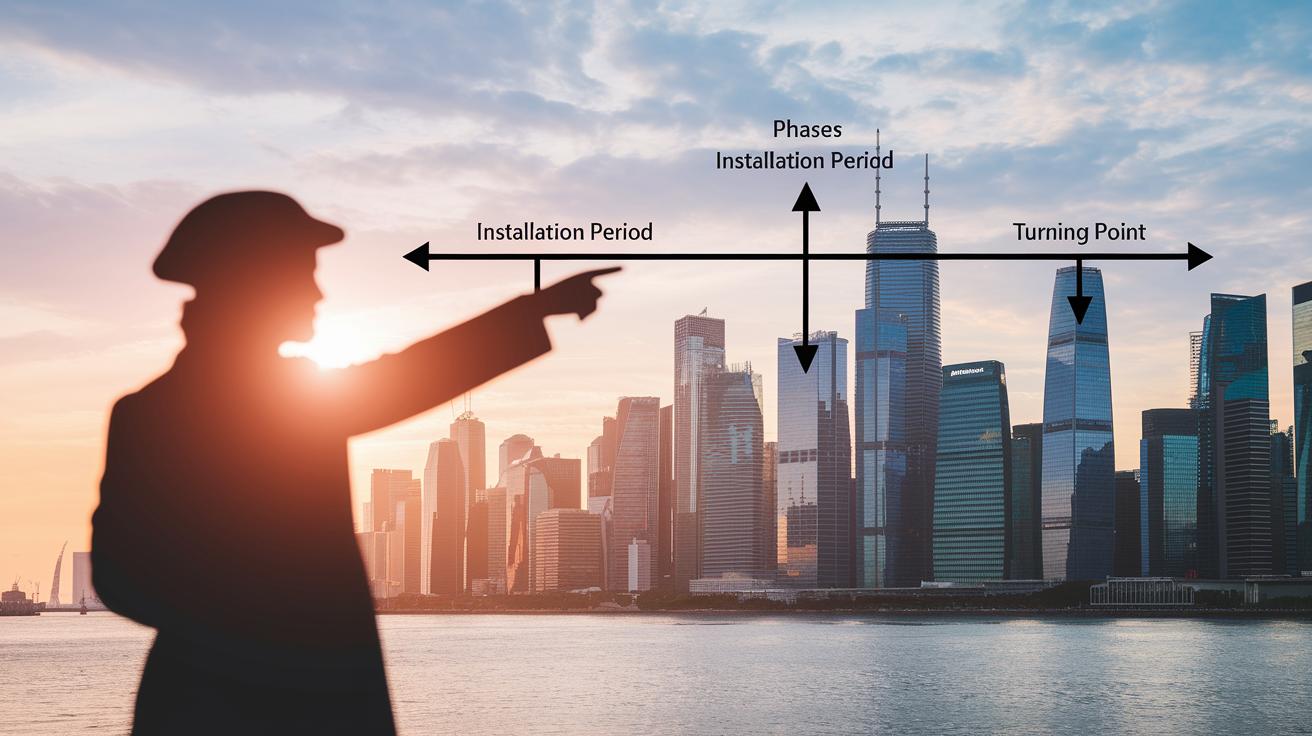
Carlota Perez divided the technological revolution into clear phases. Her 2002 study pointed out an Installation Period, where new ideas solve real challenges, followed by a Turning Point marked by a rush into high-risk investments. This approach helps us trace the shift from early industrial tools to the smart, data-driven technologies of today. Perez's work shows how bursts of creativity and large investments, like those during the Dotcom Bubble and the Great Recession, have continuously reshaped our global economy. It teaches us that every new wave of innovation adds another piece to the complex system we use every day.
| Period | Key Innovations | Impact |
|---|---|---|
| Steam Engine (1760s) | Mechanical labor | Launched industrial growth |
| Electrification (1870s) | Mass production | Transformed manufacturing |
| Computing (1940s) | Automation foundations | Set modern process standards |
| Internet (1990s) | Global connectivity | Connected economies worldwide |
| AI & Big Data (2010s) | Data-driven decisions | Refined strategic approaches |
These era shifts still influence today’s innovations. The steam engine kickstarted mechanized production, paving the way for later breakthroughs. Electrification made mass production possible, and computing laid the foundation for modern automation. Later, the Internet linked global markets, opening the door for fast communication and smoother trade. Today, AI and big data guide smarter choices and change business strategies. These historical milestones remind us that continuous change is the engine behind global economic progress.
Revolutionary Technologies Driving Today's Technological Revolution

Advanced AI and robotics are changing the way industries work. For example, some European car suppliers have cut production cycle times by 30% by using AI-driven robotics, similar to what’s happening at Foxconn. Recent research in Asian hubs shows a 15% growth in robotics use over the past year, further proving that automation is on the rise. Think about it, a mid-sized electronics maker even boosted its production speed by 25% after switching to AI-powered robots.
3D printing and big data are also shaking things up in how companies operate. In many emerging markets, manufacturers now use 3D printing to quickly create prototypes for medical devices, which cuts down on lead times. At the same time, combining big data analysis with IoT sensors helps companies keep an eye on quality in real time and cut waste by more than 20%. For instance, one local firm now prints replacement parts on demand, keeping downtime to an absolute minimum.
Better computing power is the foundation for modern digital systems. With improvements in GPU acceleration and the early steps toward quantum computing, processing has never been faster. Cloud computing now plays a key role by offering flexible, real-time resources without the need for heavy, expensive hardware. For example, a small farm used cloud-powered sensors to boost its crop predictions by 40%, completely reshaping its local supply strategies.
Sectoral Transformations Under the Technological Revolution
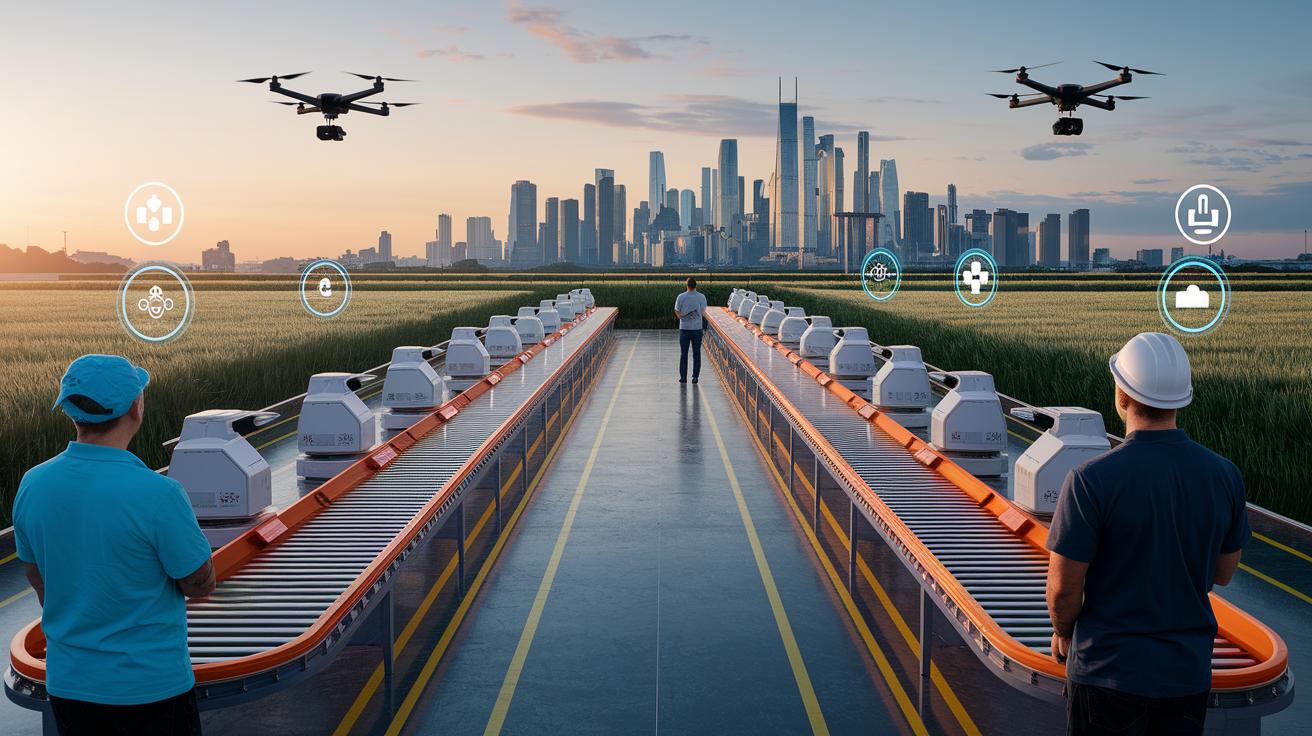
A lot is changing in many industries thanks to new tech tools. Factories once run by human hands are now using robots and speedy production lines, just like those at Adidas and FoxConn. Even farms are embracing tech with drones and automatic tools making work easier. Healthcare is stepping up with digital tests and video doctor visits. And everyday services, including government work, are getting a makeover with smart platforms and AI help. It’s a real shift in how things work. Consider these changes:
- Manufacturing – robots and speedy production lines
- Agriculture – drones and auto equipment
- Healthcare – digital tests and video doctor visits
- Services – gig platforms and AI help
- Government – smart, automated public services
Across all these areas, the Internet of Things (IoT) is becoming key. IoT connects machines, sensors, and networks so they can share data in real time. This means quicker decisions, less waste, and smoother operations. Basically, when production lines and customer feedback loop together, businesses can run smarter and more efficiently. Overall, these developments are part of a big move towards a more connected and responsive economy.
Societal Implications and Workforce Evolution in the Technological Revolution

Work is changing fast. Machines now handle repetitive tasks, which means some traditional jobs are disappearing. At the same time, new roles are popping up in areas like tech upkeep, machine monitoring, and data interpretation. It’s a mix of jobs being lost and new ones being created.
Getting ready for these shifts means putting more focus on education. Many people only have a high school diploma, so moving into new fields can be tough. That's why learning new skills and life-long education are key. New training programs are helping folks keep up with rapid changes in the industry.
The rise of gig work has sparked heated debates about worker rights. Courts are sorting out if drivers and delivery workers should be considered employees or independent contractors. This is important because as digital platforms reshape work, we need fair rules for job security and benefits.
Talk about universal basic income is also growing louder. Many see UBI as a way to help those who lose jobs to automation, while also encouraging fresh ideas and risk-taking. But there are real concerns about how to pay for these programs and if they might add extra strain on local economies already under pressure.
Future Trends and Predictions in the Ongoing Technological Revolution
Quantum computing is about to make huge strides that could change how we solve tough problems. Imagine a computer that processes information super fast, allowing us to solve puzzles that today's machines just can't handle. This next wave in computing could open up exciting new ideas in fields like medicine and logistics.
Smart automation is also stepping up with the growth of IoT systems. More devices are talking to each other in real time, creating a setup where everything from sensors to machines works together smoothly. Think of it like a well-rehearsed team where every player adjusts their role to boost productivity and cut down on wasted energy.
Experts see a wave of fresh tech platforms emerging from these trends. They expect AI to play a bigger role in company decisions and even see crypto ideas influencing how markets work. These new digital ecosystems are set to inspire creative business strategies and drive changes across different industries.
Final Words
In the action, we explored how today's advancements are reshaping society and industry. The post broke down core drivers like AI, robotics, big data, and 3D printing in clear, relatable terms. It also traced milestones from past industrial shifts to the modern era, highlighting real-world examples that bring the discussion to life. Each section offered tangible insights and a snapshot of evolving work trends. This engaging view leaves us ready to embrace opportunity in the technological revolution.
FAQ
What are the key phases of the technological revolution?
The key phases of the technological revolution include eras marked by electrification, computing, and today’s AI and big data. Experts note that while counts vary, most agree there are three to five major eras.
What happened during the technological revolution?
The technological revolution transformed industries with innovations in robotics, 3D printing, and digital connectivity. These changes replaced older methods with faster, more efficient tools, reshaping business practices and daily life.
What are some examples of technological revolution inventions?
Examples include advanced AI systems, robotics used in modern factories, self-driving vehicles, and 3D printing technology. Each invention has helped boost productivity and modernize traditional industries.
What does the technological revolution timeline include?
The timeline spans from early breakthroughs like the steam engine and electrification to later developments in computing and the internet, culminating in the current phase driven by AI and big data innovations over the last 50 years.
What technological revolution events occurred in 2022?
In 2022, the increase in AI deployments, large-scale robotics use, and further integration of cloud computing marked a continued shift. These events deepened digital transformation across many sectors.
What book can help me understand the technological revolution?
A well-regarded book on the topic explores historical milestones and modern innovations and explains the economic and social impacts of these shifts, offering readers clear insights into how industries have transformed.