

What if a discovery in a lab could change the way we use everyday technology? Deep tech is taking an innovative look at AI and robotics by sticking to solid science instead of chasing speedy market wins. Imagine a startup turning a scientific breakthrough into a patented sensor that helps robots handle delicate tasks with care. This focus is fueling smart progress not only in robotics but also in clean energy and biotechnology. In our article, we show how deep tech turns careful research into real-world solutions that challenge old ideas and push technology to new heights.
Deep Tech Inspires Bold AI & Robotics Innovations
Deep tech is all about advanced technology coming from solid science and engineering breakthroughs. It tackles tough challenges by focusing on deep research rather than quick market wins. Imagine a young startup creating a new sensor fusion component. Instead of counting app downloads, success shows up as a breakthrough patent.
This field grows thanks to top universities and research labs. It drives progress in areas like genomics, nanotechnology, clean energy, and robotics. Picture a project where a robotic arm learns to adjust its grip on delicate objects using real-time sensor data. It's clear that the focus has shifted from just building products to proving new scientific ideas.
Building deep tech requires skilled experts and strong research funding. Every technical demo or regulatory approval is a stepping stone. Success is measured by secured patents and major breakthroughs. Key areas include artificial intelligence (smart technology that learns), biotechnology (using biological processes for new solutions), and sustainable energy (clean, renewable power). Here, careful engineering and long-term vision beat immediate consumer demand.
A few tips for deep tech innovators:
| Tip | Description |
|---|---|
| Focus on Deep Research | Build for the long term using solid, advanced studies. |
| Validate Technically | Prove your ideas with clear, rigorous tests. |
| Collaborate Widely | Work with both academic experts and industry leaders for better outcomes. |
Deep Tech Innovation Areas and Technologies

Artificial Intelligence and Machine Learning
New advances in chip design and combined sensor technology are opening up exciting possibilities for self-driving cars. AI systems learn from loads of data to get better over time, much like how practice makes perfect. For example, some early-stage companies now use these smart systems to check road conditions in real time, which makes vehicles safer and more reliable.
Neural Network Applications
Neural networks are like the engines behind many modern tools, from predicting customer habits to sorting images and understanding spoken language. Think of it as a system that quickly spots familiar patterns, whether in medical images or financial data, and instantly knows what to do next. This kind of technology is used widely, from hospitals to banks, proving that deep tech is handy in many everyday tasks.
Quantum Computing Innovations
Quantum computing works in a completely different way by using tiny bits called qubits to process information much faster than regular computers. This new method helps solve really tough problems, like simulating complex molecules for drug discovery or creating extra secure data encryption. The impact here is huge and could change research and business strategies across many fields.
Autonomous Robotics and Automation
Robots that can work on their own are making a big difference in fields like space exploration, manufacturing, and logistics. Imagine a robot in a factory that not only performs routine tasks but also learns how to improve its work as it goes along. These developments show us just how far machines can go when they don’t need constant human guidance.
Nanotechnology Advancements
Nanotechnology deals with super tiny materials to build stronger products and improve manufacturing methods. By working at this small scale, scientists are finding new ways to boost energy efficiency and enhance everyday materials. Every breakthrough in nanotech is reshaping the tools and systems we use in our daily lives.
Deep Tech Startup Ventures and Investment Trends
Deep tech startups need more time and larger research budgets. Take a Tel Aviv firm, for example. They raised $125 million and are close to getting another $125 million in funding for breakthrough projects. These companies rely on large amounts of R&D money to turn advanced research into real products. Between 2015 and 2018, venture capital in this field grew by about 20% each year, with total investments nearing $18 billion.
New and transformative ventures are emerging in many areas. Consider fabless IoT semiconductor companies, they’re working hard to make devices smaller and more efficient. Then there are autonomous vehicle developers who build systems that learn from everyday road conditions, and next-generation manufacturing companies that improve production with smart automation. Funding models have also evolved. Today, seed capital and series funding are more often linked to reaching technical and regulatory milestones rather than just chasing customer growth.
Investors value patience and proof that the technology works over quick, short-term wins. This steady approach builds lasting confidence.
Some investors are also putting their money behind AI innovations in deep tech. For more on funding trends in artificial intelligence, check out the article on investing in artificial intelligence stocks. This focused funding strategy helps turn risky, high-tech ideas into tomorrow’s market leaders.
Deep Tech Research Ecosystems and Collaborative Networks
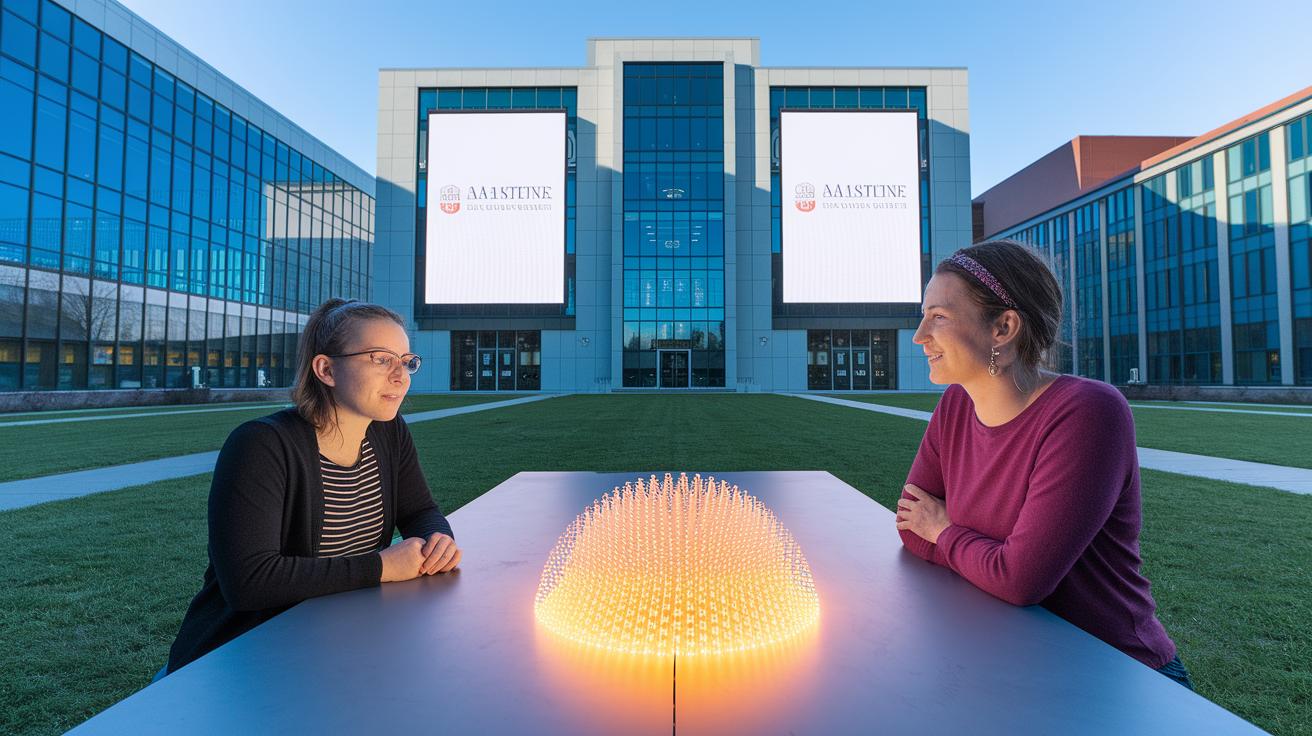
Academic industry partnerships are the key to breakthrough research. They build strong ties between universities, national labs, and innovative companies. This teamwork creates a great environment for research-based entrepreneurship. For instance, when a university lab teams up with a startup to test a new nanomaterial, it clearly shows the journey from idea to market.
Research-led entrepreneurship gets a big boost from incubator projects and global collaboration networks. These initiatives connect experts from all over the world. Centers like Silicon Valley, Tel Aviv, and top European tech clusters work together to gather talent and direct funds to deep tech projects. Think of these hubs as creative workshops where ideas get refined and scaled quickly.
Corporate innovation partnerships also help speed up the transfer of new technologies. They ensure that fresh discoveries find practical uses within no time. With strong international startup ecosystems and well-knitted networks, deep tech companies can more easily plug in scalable computing models into their offerings.
Here are a few tips for building strong partnerships:
| Tip | Description |
|---|---|
| Build Alliances Early | Start connecting with academic and industry partners as soon as possible. |
| Use International Networks | Bring in diverse insights by tapping into global collaboration initiatives. |
| Engage with Global Hubs | Work with innovation centers to boost talent and capital flow. |
Deep Tech Case Studies: Real-World Applications
Deep tech case studies show us how cutting-edge research can turn into breakthroughs that shake up entire industries. Take OpenAI's generative AI models as an example. These tools have changed the way we create text, images, and audio. Believe it or not, before they became leaders in artificial intelligence, early versions of these models were simple experiments in college labs. This journey from early tests to real-world products shows deep tech's ability to grow and make a real impact.
Blue Origin offers another exciting story. Their work on reusable rockets and plans for the Orbital Reef commercial space station prove that even risky, groundbreaking ideas can grow into reliable products. And then there's ICON. By winning a $57.2 million U.S. government contract to build 3D-printed structures, ICON is modernizing how we think about construction.
Quantum computing is also making waves. Xanadu, for example, solved a problem in less than a second with their quantum computer, a task that would take a supercomputer about 9,000 years! This huge achievement is energizing fields like new drug research and advanced materials.
In the biotech world, Nature’s Fynd is using synthetic biology to produce alternative proteins, setting up a business model that could change food technology forever. Meanwhile, Valo Health is digging into genomic data to fine-tune drug discovery methods. These examples show how deep tech not only stretches the limits of science but also develops practical solutions that change whole industries.
Challenges and Future Directions in Deep Tech

Deep tech runs into many tough problems that cover technology, rules, and ethics. There aren’t enough specialists like electrochemists and quantum physicists to go around. In fields like biotech, aerospace, and energy, getting the right approvals can slow things down a lot. For example, one startup said they had to change their plan after the regulators gave early feedback.
We also need clear rules for ethical use of artificial intelligence to guide autonomous systems while keeping our data safe.
At the same time, businesses are pushing high-performance and edge computing to speed up real-time data processing. They’re putting money into computing models that handle big simulations and strong AI training. New ideas in quantum AI and precision medicine are opening doors for future breakthroughs. Soon, the mix of AI, quantum computing, and biotech might change many industries completely.
These challenges are real, but they set the stage for big, transformative innovations in deep tech. Success will come from persistence, creativity, and a strong commitment to move forward.
Final Words
In the action, our article tracked deep tech from its core definitions to its hands-on applications. We explained how advanced technologies in AI, quantum computing, robotics, and nanotechnology drive industry breakthroughs. Small ventures and global networks alike are setting up new ways for technical progress. The discussion also touched on funding trends, research ecosystems, and hurdles ahead. With every bit of progress, deep tech continues to spark positive market shifts and inspire innovative solutions.