

Have you ever thought about a market so massive it makes entire countries seem small? Global capital markets hold nearly $300 trillion in assets. They blend trusted methods with new ideas. They connect people to stocks, bonds, and currencies, among other things.
Every change in this big network can shift how money moves and how investments work. This post looks at the top trends shaping these markets and sparking fresh ways to invest. It gives you a clear look at today’s fast-changing financial world.
Global Capital Markets Essentials for Investors and Professionals
Global capital markets connect investors with different sectors like stocks, bonds, currencies, and derivatives. In 2023, these markets managed nearly $300 trillion in assets. Imagine holding a portfolio as large as the wealth of several major nations, it shows just how massive these platforms are.
Stock market values hit around $120 trillion at the end of 2023, based on IMF numbers. This figure alone highlights the strength of global finance and asset distribution. Debt markets are just as important. For instance, global bonds were estimated to total $126 trillion in 2022 by BIS data. Think about the wide range of opportunities these debt instruments create; they let investors explore various funding paths while keeping risk in check.
International capital movements crossed $14 trillion in 2022. This shows how deep and interconnected the world's financial network is. Consider how a change in one major market can send a ripple through global investment strategies, affecting funding and even market moods.
At its core, this financial system mixes old-school funding techniques with new, inventive methods. For example, in a single trading session, investors shifted hundreds of billions in value because of sudden geopolitical news. This blend of traditional and innovative methods keeps the market dynamic and constantly evolving.
By learning how stocks and bonds work together, investors do more than just manage assets, they get a glimpse into a market that is always changing the way investments are made around the world.
Structure and Instruments in Global Capital Markets

Global capital markets run on a mix of debt and equity tools that help fund investments worldwide. In recent years, companies have raised money through selling shares, and in 2022, global equity issuance reached about $3.5 trillion. This shows how varied and strong these financial tools are.
The main ways to secure funding include stocks, government and corporate bonds, securitized products, currency contracts, and over-the-counter derivatives. For example, green bonds helped raise around $650 billion last year. Securitized products, which bundle various assets, hit roughly $2.8 trillion in 2021. This example shows how the market adapts to new, structured financing ideas.
These instruments form the core of many funding strategies, meeting both short-term cash needs and long-term investment goals. Companies and governments use these channels while balancing risks and exploring fresh financing options. Some issuers even use modern data techniques to widen their reach and use funds more wisely. Put simply, looking at these tools together helps us understand market behavior better.
| Instrument | Market Size (2023) | Primary Channels |
|---|---|---|
| Equities | $120 trillion | Stock Exchanges |
| Bonds | $126 trillion | Debt Markets |
| Derivatives | Varied Volume | OTC and Exchanges |
| FX | $7.5 trillion daily | Interbank Markets |
| Securitizations | $2.8 trillion (2021) | Specialized Finance |
Regulatory Framework Impacting Global Capital Markets
Key regulators like the U.S. SEC, the EU's ESMA, and the Financial Stability Board play a major role in global finance. Take MiFID II for example, it makes European equity trading more transparent by showing clear, real-time information. This clarity is like watching a well-tuned engine at work, letting investors see exactly what is happening and feel more confident across borders.
Laws such as the Dodd-Frank Act now require companies to give more detailed reports and run tests that predict future market changes. These rules help companies plan better for tough financial times and keep strong practices even when things get unstable.
At the same time, Basel III increased bank capital requirements so banks hold extra reserves. This extra cushion helps banks absorb shocks and protects the overall economy. Local and global guidelines work together to ensure companies share clear financial information and make smart funding decisions.
Together, these measures improve market access and build borrower credibility. Regtech innovations are also making a difference by automating regulatory checks and helping firms keep up with changing rules. This creates a space where safe risk management and creative financing can work side by side.
Economic and Geopolitical Influences on Global Capital Markets
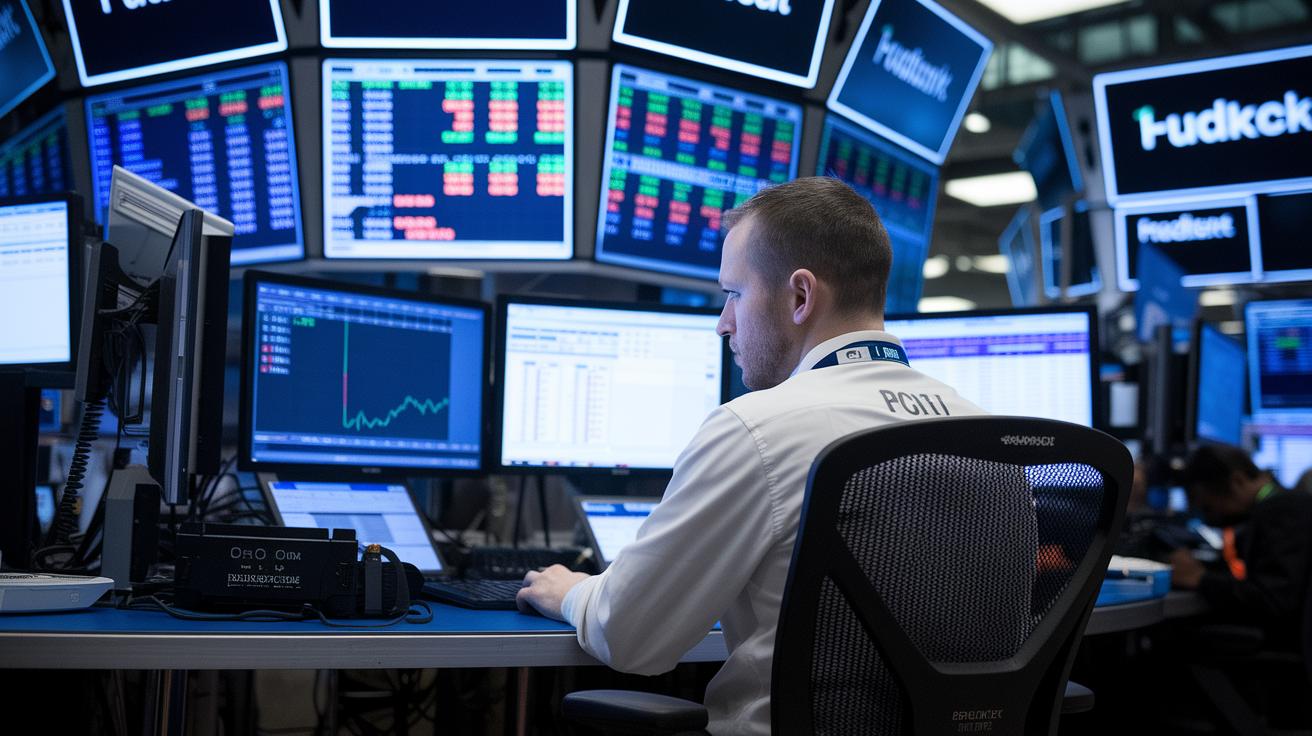
Global money markets change as governments and world events affect the cost to borrow money and change how much currencies are worth. In 2022, the Fed bumped up its rates by 225 basis points. Think of it like dropping a stone into a quiet pond, each increase sends out ripples that touch investments and borrowing costs far beyond the U.S.
Political happenings also pack a punch. For example, the conflict between Russia and Ukraine led to a 20% shift in European sovereign bond flows. It’s like a sudden gust of wind that makes a sailboat change course, forcing investors to quickly reassess risks and rewards.
Inflation, which hit around 8% in some key economies, pushed investors to rethink when and where to put their money. This rising tide changed market expectations and nudged investors to move assets toward opportunities that might stand up better to higher prices.
Daily foreign exchange trading hit $7.5 trillion in April 2023. Currency swings affect everything, from the cost of imported goods to the decisions made by multinational companies.
When interest rate hikes ripple through global markets, think of each increase as a stone dropped into a pond, sending out waves that alter the financial environment across borders.
Together, these factors shape a fast-moving financial world where smart and timely moves by investors are key.
Emerging Trends Shaping Global Capital Markets
New financing channels are changing the game for companies and governments by blending traditional methods with digital tools. More investors are showing interest in sustainable and tech-driven funding, which is spurring creative ways to spread financial resources. For instance, in 2022, sustainable bond issuance reached $1 trillion, highlighting a shift toward including environmental and social factors in finance. Meanwhile, early tests in blockchain settlements have cut processing times by 50%, and AI-powered analytics have boosted trading efficiency by 15%.
Central bank digital currency pilots are now running in 10 different economies. This movement is quickly altering how we view money and transactions, making funding smoother and more transparent. In addition, fresh ideas in using derivative instruments are opening up new ways to manage risk and enhance returns in an increasingly digital market.
Let’s break down some of the trends that are already impacting funding channels:
- ESG and sustainable finance: Investors now lean toward companies that weave environmental, social, and governance factors into their strategies, which drives up the use of sustainable bonds.
- Digital assets and CBDC pilots: Digital currency trials by central banks in various economies are paving new paths in digital finance, shifting traditional investment practices.
- Blockchain-based settlements: Early blockchain trials have slashed settlement times by 50%, boosting liquidity and operational efficiency.
- AI and big data analytics: Advanced analytics are sharpening trading decisions and overall market efficiency.
- Advanced derivatives and tokenization: New approaches to derivative instruments are redefining how risks are managed and returns optimized.
Overall, these trends are rewriting the rules of capital allocation and are poised to steer financial strategies in both emerging and established markets.
Key Players and Strategic Approaches in Global Capital Markets

Major financial centers like New York, London, Shanghai, and Hong Kong are the heart of global investment. These hubs are not just busy trading floors; they serve as places where both big institutions and individual investors come together to decide on funding and asset strategies.
Investment banks such as JPMorgan, Goldman Sachs, and Morgan Stanley earn more than one-quarter of all global investment banking fees. They play a big role in setting market trends and work hand in hand with companies to secure large deals around the world. In many ways, these banks turn local resources into global opportunities by using their deep expertise.
Asset management firms like BlackRock and Vanguard are also key players. They manage about $18 trillion in total and their decisions on portfolio selection shape diversification strategies in many economies. Their insights cover both public offerings and private placements, helping to spread investment risk and reward.
Many leading companies now use funding strategies that span multiple regions. They mix strong data analysis with smart deal making. For example, one approach involves using a FINRA- and SIPC-registered company to support middle-market deals. This shows how companies blend rules and clever financing to find the best solutions.
| Key Point | Description |
|---|---|
| Financial Hubs | Centers like New York and London drive global trading. |
| Investment Banks | Banks such as JPMorgan help drive over 25% of global fees. |
| Asset Managers | BlackRock and Vanguard provide strong market insights with $18 trillion in assets. |
| Multiregional Funding | Combines public and private funds for a balanced approach. |
| Middle-Market Deals | Shows a blend of regulatory know-how and strategic financing. |
Risk Management in Global Capital Markets
Managing risk in global capital markets means understanding and controlling key financial challenges like liquidity gaps, worsening credit, and currency swings. Banks and investors use a few simple methods to measure these risks. For instance, a Value-at-Risk model helps estimate potential losses by looking at a worst-case scenario with a 99% confidence level. It’s a bit like planning for the storm before you set out.
Stress tests add another helpful layer. In 2022, global stress tests uncovered that 15 banking groups could face a shortfall of $50 billion. Think of it like doing a full check-up on your car before a long journey, ensuring every part is in good shape.
There are also advanced tactics, like using derivative overlays to hedge against risks. These tools help manage close to $2 trillion in positions every day. Imagine it as having a safety net or insurance that shields you from sudden market surprises.
Key strategies include:
| Strategy | Description |
|---|---|
| Quantitative Analysis | Using simple numerical tools to understand market risks. |
| Stress Testing | Checking if the financial safety net is strong enough. |
| Derivative Hedging | Using financial instruments to protect against sudden changes. |
Each of these steps works together as a safety net for both investors and institutions, ensuring that even in uncertain times, risks are carefully watched and managed.
Final Words
In the action, we explored key parts of global capital markets, from core instruments and strategies to regulatory impacts and emerging trends. We saw how economic drivers and risk management shape investment tools and overall market movements. Each section breaks down how major players and strategic approaches fuel innovation and stability. With insights that connect funding channels and market dynamics, decision-makers can see a clear path ahead. This overview offers a solid foundation for making confident choices in global capital markets.
FAQ
What are the global capital markets?
The global capital markets refer to the combined platforms for trading stocks, bonds, currencies, and derivatives where companies and governments raise funds and manage investments.
What do global capital markets do at Morgan Stanley?
The global capital markets team at Morgan Stanley assists clients by structuring financing deals through debt and equity offerings, analyzing market trends, and supporting cross-border investment strategies.
What is the difference between investment banking and global capital markets?
Investment banking focuses on mergers, acquisitions, and financial advisory services, while global capital markets concentrate on raising funds via securities like stocks and bonds for large-scale financings.
How much does a global capital markets associate make at Morgan Stanley?
A global capital markets associate at Morgan Stanley typically earns a competitive salary that includes a base pay and bonus, reflecting the demanding and significant role within financial operations.
What global career opportunities exist in capital markets?
Global capital markets careers include roles such as analysts, associates, and trading specialists who research market trends, analyze funding needs, and manage financial transactions across borders.
What is the role of the global capital markets division?
The global capital markets division manages key finance transactions like equity and debt issuances, coordinating between investors and issuers while supporting market liquidity and funding strategies.
How do banks like Bank of America and firms like BlackRock operate in global capital markets?
Banks like Bank of America and firms like BlackRock work in global capital markets by structuring financing solutions, managing large-scale asset allocations, and facilitating key capital transactions for diverse clients.
What global capital markets programs does Rutgers offer?
Rutgers offers finance programs that focus on global capital markets by teaching market analysis, investment strategies, and practical skills needed for roles in international finance.
What is a global capital markets analyst?
A global capital markets analyst examines market trends, evaluates funding strategies, and supports the execution of financing deals by using financial models and thorough market research.