

Ever wonder why some ideas stick around while others fade away quickly? Sometimes, changes slowly shape our lives, growing deeper and more meaningful over time. But not every exciting spark leads to a lasting shift.
In this piece, we take a close look at the difference between ideas that truly change our everyday routines and those that brighten the moment before disappearing. We invite you to join us as we explore these differences in a warm and honest way.
trend vs fad: Positive Distinctions Simplified
Trends are steady, lasting changes that grow slowly over time. They come from new technology and shifts in what people want, just like the move from old-fashioned TV to streaming services. Trends start small and, over time, build trust and change how we live and work. For example, think about mobile phones. Before smartphones, they were mostly for calls and texts, but now they help us shop, play games, and more. This shows how trends meet deeper, long-term needs.
Fads, on the other hand, are quick bursts of excitement that catch on fast but fade away just as fast. They often appear because of viral hype or a new, attention-grabbing idea. Picture a quirky toy that suddenly fills store shelves for a few weeks and then disappears. Fads tend to attract a small crowd and lack the lasting impact that trends have.
The big difference is about how long they stick and how deep their changes go. Trends keep growing and adapting, improving our lifestyle or work environment bit by bit. Fads are fun for a moment but usually don’t change things in a meaningful way.
Knowing this helps businesses and consumers focus on ideas that will build lasting value instead of chasing short-lived excitement.
Contrasting Features: Long-Term Trends vs Short-Lived Fads
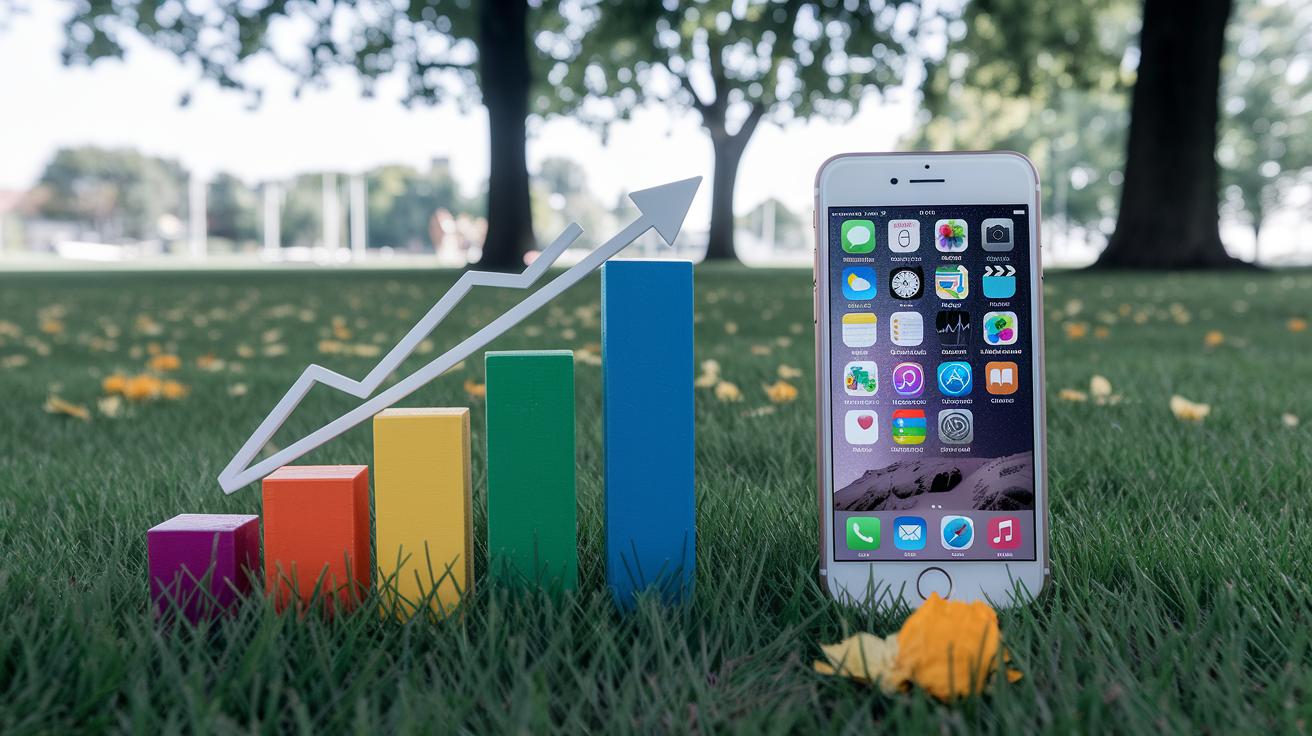
When you compare a trend to a fad, the differences become clear right away. Trends build slowly, much like running a marathon where you gain speed over time. They meet real consumer needs and even branch out into different areas as they grow.
Fads, on the other hand, are more like short, energetic sprints. They burst onto the scene with a lot of excitement, peak quickly, and then fade away. Think of it like a viral social media challenge that captures your attention for a few weeks before everyone moves on.
Here's a simple side-by-side look at the key differences:
| Characteristic | Trend | Fad |
|---|---|---|
| Momentum | Grows steadily over months or years | Reaches peak quickly over days or weeks |
| Duration | Often lasts for several years | Usually lasts only weeks to months |
| Evolution | Changes and branches into sub-trends | Stays mostly the same and then fades away |
| Driving Forces | Addresses real customer needs | Fueled by novelty or viral excitement |
| Consumer Engagement | Ongoing and deep | Short-lived and driven by the latest buzz |
| Predictability | Can be analyzed with regular data over time | Difficult to predict after the initial surge |
| Impact on Culture | Can change habits and norms for a long time | Creates a brief moment of excitement |
| Marketing Approach | Needs a long-term, steady strategy | Tends to rely on one-off campaigns |
This comparison shows that trends are based on lasting consumer insights while fads are more like short bursts of cultural excitement that don't last long.
Real-World Examples of Trends and Fads
In today's market, real examples show us the difference between ideas that stick around and those that flash by quickly. Trends grow slowly and change the way we work and communicate over time. For instance, social media has become more than just a place to chat, it’s now a key tool for companies to form lasting relationships with customers. Meanwhile, remote work isn’t just a temporary fix; many businesses have embraced it as a long-term policy that continually adapts to modern needs. Some trends that have taken hold include:
- Social media as a lasting marketing tool
- Recreational marijuana legalization in various states
- The everyday use of artificial intelligence in tools
- Remote work policies that bring lasting flexibility
- A vinyl record comeback that mixes nostalgia with quality sound
On the flip side, fads are like quick bursts of excitement. They capture the spotlight for a short while and then fade away. Remember the fidget spinner craze of 2017 or how Pokémon GO stirred a global frenzy? These moments show us that even a big splash of innovation can be short-lived. Iconic fads include:
- Fidget spinners taking over classrooms and offices in 2017
- The rapid rise and fall of Pokémon GO in mid-2016
- The Beanie Babies collecting frenzy of the late 1990s
- Catchy TikTok phrases, like "It's corn, I can't imagine a more beautiful thing"
- A brief fashion trend for clogs that soon slipped away
Looking at both groups side by side, it’s clear how markets and customers tell lasting shifts apart from momentary sparks. Trends represent ongoing changes and steady growth, while fads offer a quick burst of fun that eventually settles into memory.
Digital and Social Media Dynamics in Trends vs Fads
Social media plays a dual role, sometimes sparking brief surges of interest and at other times driving long-term growth. Fads catch the algorithm’s eye quickly, think of a viral dance challenge that explodes with millions of views in just a few hours, only to disappear soon after. For example, a short-lived hashtag campaign might double engagement overnight, only for those numbers to drop sharply by the end of the week.
On the flip side, steady tactics like influencer partnerships and regular content help nurture a true community. Influencers slowly introduce fresh ideas while keeping their storytelling consistent, which is reflected in steady comment counts and repeat viewer returns. Real-world measures, such as tracking video watch times, show when a surge of interest has evolved into a lasting trend.
Today, brands blend digital data with platform-specific behaviors to shape their strategies. They watch posts over time to see if quick wins turn into ongoing community growth, ensuring their online messages connect deeply with audiences. This approach lets them build genuine relationships that endure beyond the initial hype.
Economic and Marketing Implications of Trends vs Fads
Trends come from tackling real market problems and lead to steady returns that companies can track over time. When businesses update their products and operations to keep pace with these trends, they build loyal customers and earn market trust. This long-term investment often brings measurable ROI, meaning you see real profits from your efforts.
Fads, however, spark quick bursts of sales and raise brand awareness through excitement and fast-paced, viral campaigns. These actions, like limited-time offers, grab attention for a short while. But overrelying on fads can distract from your main business goals, so it’s wise not to let them replace solid, long-term strategy.
It’s also key to consider consumer rights. Shifts in how companies handle privacy and ethical sourcing reflect deeper market changes. When trends focus on these important issues, brands earn lasting value and trust. In contrast, a fad that overlooks consumer concerns might bring temporary buzz but can hurt trust in the long run.
Smart companies blend adaptive marketing with regular trend monitoring. They mix data-driven strategies and steady customer engagement to enjoy both the fast wins of fads and the reliable rewards of trends. This careful balance shows how short-lived excitement can coexist with long-term growth without derailing the company’s core goals.
Lifecycle Phases: From Emergence to Fade of Trends vs Fads

Trend Lifecycle Phases
Trends usually move through three clear steps. First, there’s emergence. This is when only a few early adopters, think of those in research labs working on AI, start noticing a new, promising idea. Next, the trend enters the growth stage. More people catch on, and the idea begins to spread. For instance, AI slowly became part of everyday business tools, showing us that what started as a niche concept can become widely useful. Finally, the trend reaches maturity. At this point, it settles in as a standard part of the industry, like smart devices that keep getting better over time.
Fad Lifecycle Phases
Fads work in a very different way. They start with a burst of excitement that grabs everyone’s attention overnight. Remember the sudden craze of fidget spinners? They exploded in popularity almost instantly. But that burst is short-lived; the fad quickly fades away as interest spikes and then drops just as fast. This quick rise and fall show that while fads can be exciting, they rarely stick around long enough to change the way we do things.
Spotting and Forecasting Future Trends vs Fads
Quantitative Forecasting Techniques
Modern digital tools make it easier to see when real market shifts occur. Experts often look at year-over-year growth to check if key numbers keep rising steadily over time. They also use things like Google Trends to track changes in search habits over several months. This helps them decide if the rising interest is a true trend or just a short burst. Adoption-curve modeling works like a growth chart, showing how quickly people start using new ideas and whether that growth is likely to stick around. For example, imagine noticing steady monthly increases in searches for sustainable energy products, it suggests that this interest might be more than just a passing phase. These techniques give companies solid numeric evidence to back up long-term investments.
Qualitative Indicators for Fad Prediction
Numbers don’t tell the whole story. Keeping an ear to social media lets companies see what people are really talking about. When credible influencers keep discussing a new idea, it can point to a trend that might last instead of just a quick spike in interest. Rapid prototype testing is another handy way to get immediate feedback on new ideas. Picture launching a small trial with a select group of users and finding that their interest remains steady, rather than fading away after a few days. By combining these insights with digital data, businesses can better distinguish between trends that are built over time and short-term fads that quickly lose their shine.
Final Words
in the action, we've unpacked how core concepts differentiate long-lasting market shifts from short-lived phenomena. The piece touched on the main features that drive trends and fads, compared their lifecycles side-by-side, and showed real-life examples that bring these ideas into focus.
We also explored how social platforms and economic strategies shape these movements. The discussion provides clear tools to help you evaluate the trend vs fad concept. Stay positive and ready to act on emerging market signals, turning business insights into strategic opportunities.
FAQ
What is the difference between a trend and a fad?
A trend is a lasting change shaped by evolving habits and technology, while a fad is a sudden craze that captures quick attention and fades nearly as fast.
Can a fad become a trend?
Sometimes a fad may evolve into a trend if it addresses ongoing needs and builds lasting consumer interest, though most fads remain brief bursts of popularity.
What are some examples of trends and fads in fashion and other areas?
Examples of trends include remote work, social media marketing, and AI use, while fads are seen in items like fidget spinners, Pokémon GO, and momentary fashion statements.
What is meant by the term “fads”?
Fads refer to popular phenomena that capture public attention quickly through novelty but lack the lasting appeal and depth seen in more sustainable trends.