

Have you ever wondered if we should change how we look after our machines? Imagine having a digital copy of each piece of equipment, showing you every move it makes. It lets you see trouble before it really starts.
This smart tool, known as digital twin technology, mixes live data with easy-to-understand simulations. Think of it as a side-by-side world on your factory floor that helps you manage things better. It not only helps you save money, but it also changes the way whole industries work.
Understanding Digital Twin Technology: Definitions, Core Concepts, and Immediate Benefits
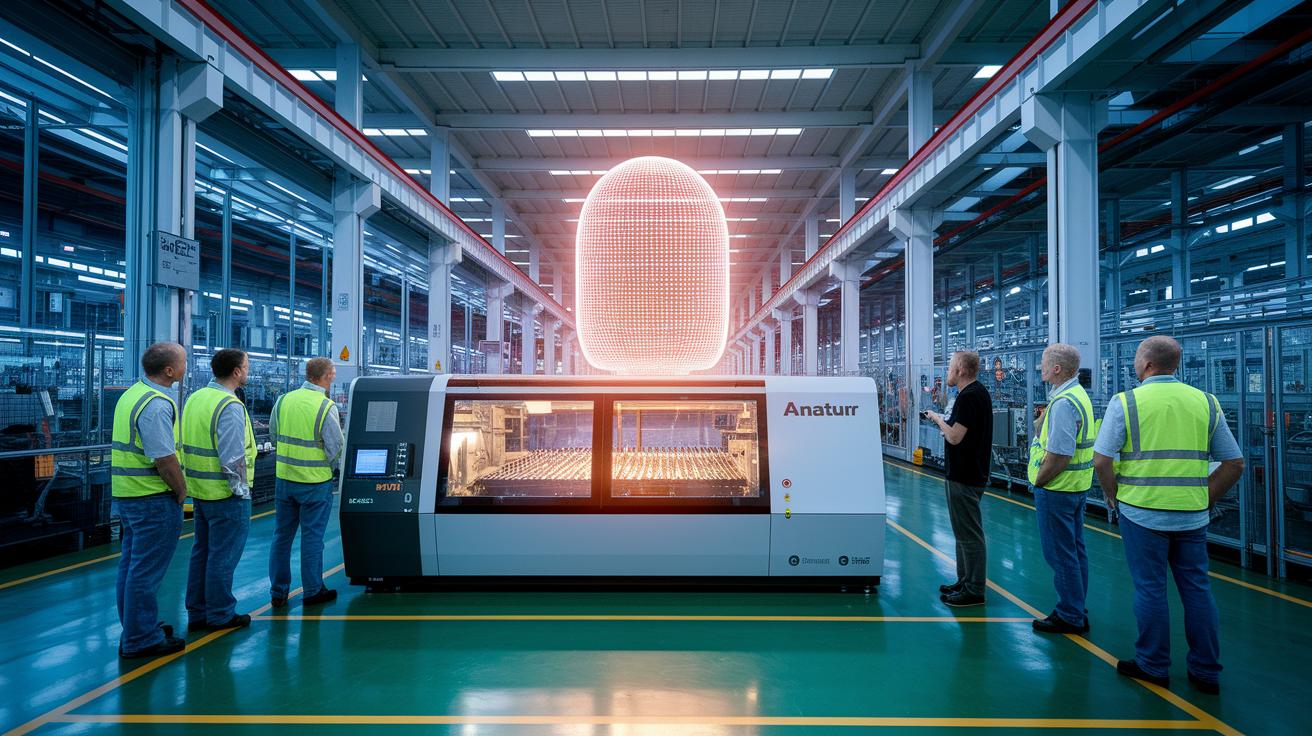
Digital twin technology is all about creating a digital copy of a real-world object, system, or process. It works by using sensor data and IoT devices to build a computer model that mirrors real-life operations. Imagine having a mini digital version of a machine that engineers can test without stopping its real-world performance. For instance, think about trying out a new car design on the computer before building any parts.
This technology is built on three main ideas. First, there’s the idea of a virtual replica, a digital model that exactly reflects the conditions of its physical twin. Next, a cyber-physical model connects the physical item to its digital image, updating in real time as changes occur. Finally, real-time mirroring means that any change in the actual object shows up immediately in the digital version. Early users consider this a cutting-edge trend that speeds up decision-making and keeps systems running smoothly.
Digital twin technology comes with big benefits. It boosts operational efficiency by letting companies simulate processes and spot problems before they happen. This proactive approach cuts down on unexpected downtime and improves overall performance. Picture a factory where potential machine issues are caught and fixed ahead of time, giving managers the chance to tweak operations on the fly.
digital twin technology Sparks Industrial Brilliance
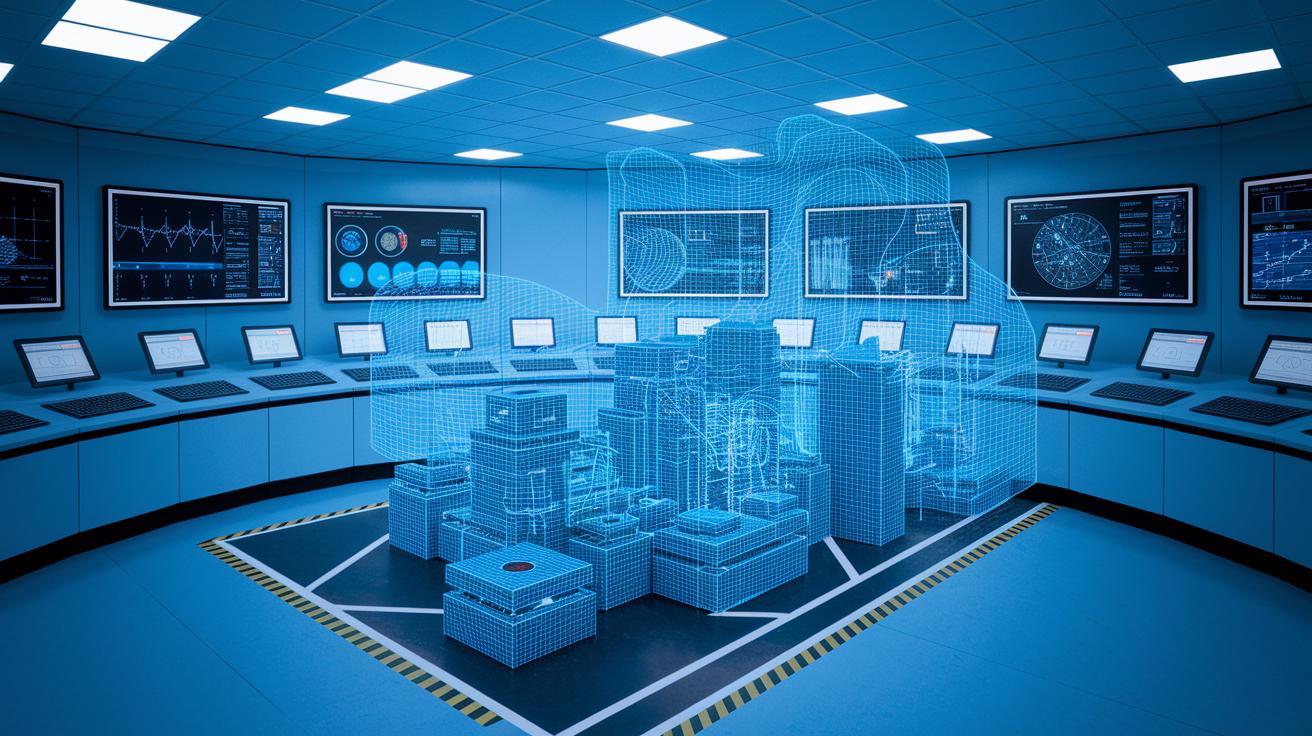
Digital twin models work by blending live sensor data with smart simulations to create an exact digital copy of real systems. IoT sensors gather important data from physical setups, and a cloud-based system (thanks to the perks of cloud computing) stores and processes this information. This approach constantly mirrors physical operations by sending data into analysis engines that simulate how assets perform alongside the real world. It lets operators watch systems in action and tweak processes as changes occur.
Key parts of this system include:
- IoT sensors for accurate, real-time data capture
- Cloud-based integration that safely stores and efficiently processes data
- Simulation engines running side by side with actual operations
- Dashboards that provide immediate insights into how things are working
- Standard model frameworks that ensure everything works together smoothly
All these elements combine to build a sturdy digital twin framework. They create a high-accuracy replica by maintaining constant data flow and synced simulations. This structure is essential for delivering quick, precise insights that help industries make smart decisions and boost efficiency.
Implementing Digital Twins: Creation Workflows and Synchronization Techniques
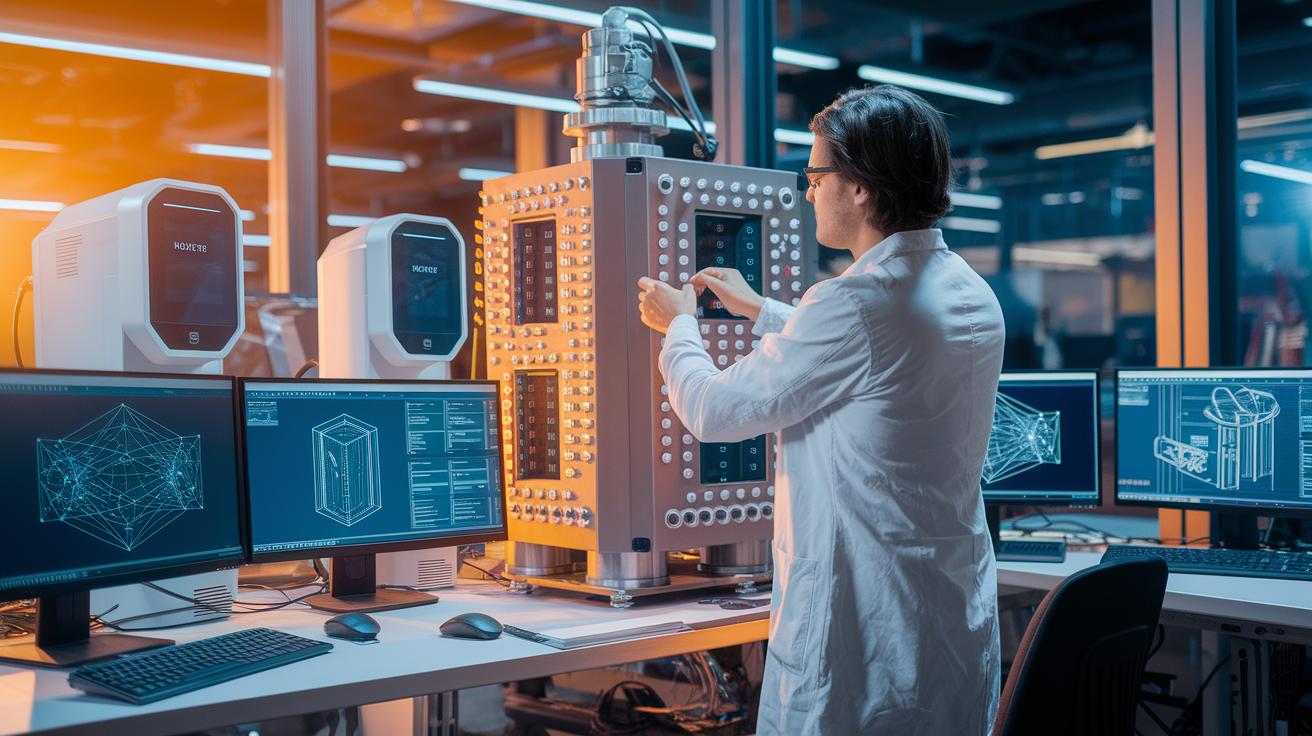
We start by carefully picking out and tagging all the assets. This means using sensors, 3D scanners, and other tools to gather data from real-world systems. Think of it like taking a building's measurements before drawing up its blueprint. Once we have the data, we turn it into a digital blueprint that gives us a clear base for the twin.
Next, we set up the simulation on a parallel computing system. Here, the digital model runs side by side with a simulation of the real operations, almost like testing a car design on a computer while it’s still being built. This setup lets us spot potential issues right away and adjust settings without messing with the actual process. We use automated replication techniques to ensure both the digital and physical systems stay in sync.
Finally, we keep everything aligned by regularly checking the digital twin against live data. Frequent audits and version control make sure that any changes in the real world show up in our model. It’s like a constant feedback loop, fine-tuning and verifying the model so that it always reflects what’s happening on the ground.
Digital Twin Technology: Technical Insights and Industry Applications
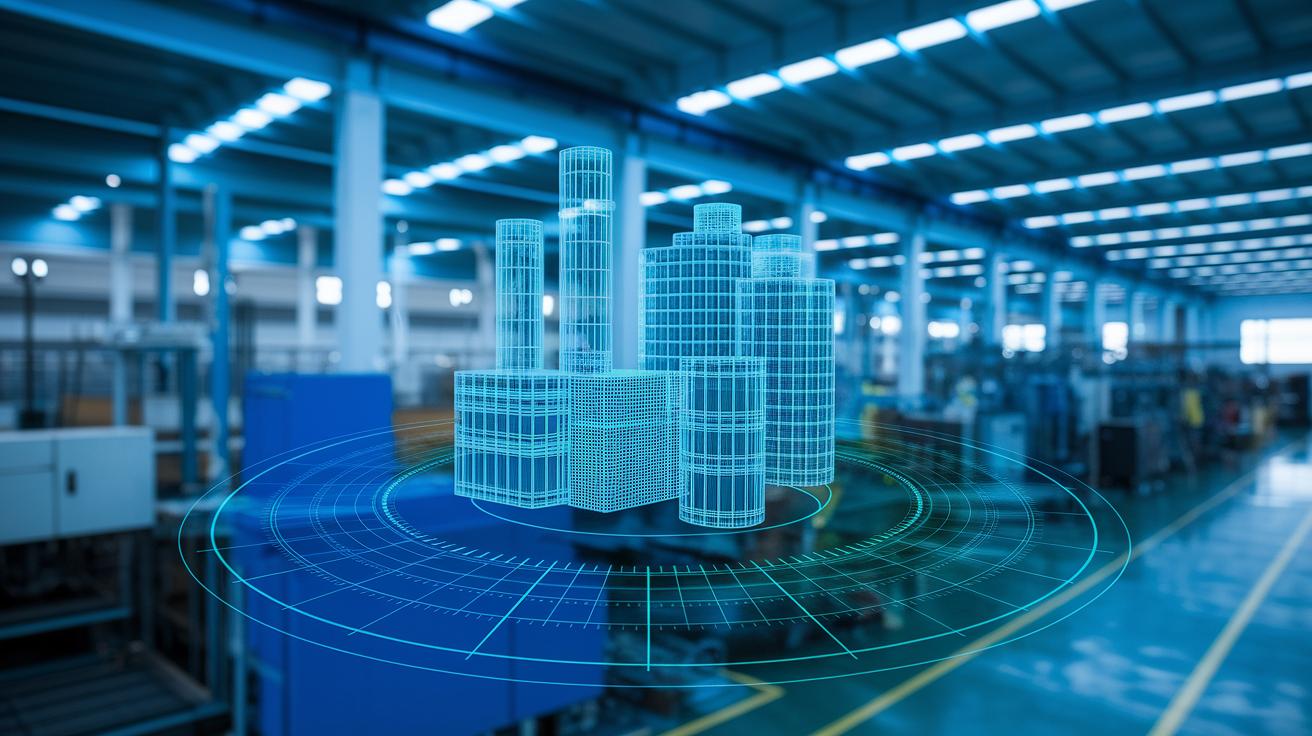
Digital twin tech blends sensor data, live simulations, and cloud systems to create digital copies of real-world assets. It grabs sensor details and updates a digital model in real time, much like a digital heartbeat that keeps an eye on a machine’s performance.
| Industry | Digital Twin Application |
|---|---|
| Manufacturing | Rolls-Royce’s IntelligentEngine uses sensors to forecast maintenance needs. |
| Automotive | Volvo conducts virtual crash tests to boost safety. |
| Construction | London Crossrail leverages digital twins to monitor project stages and step in when needed. |
| Oil & Gas | BP tracks pressure and temperature on its offshore platforms in real time. |
| Healthcare | Össur uses digital models to design custom prosthetics. |
| Transportation | Ford tests algorithms for self-driving cars under varied conditions. |
| Retail | Walmart simulates store layouts to improve efficiency. |
| Smart Cities | Virtual Singapore uses digital twins to guide urban planning and manage public services. |
Benefits, Challenges, and Future Outlook for Digital Twin Technology
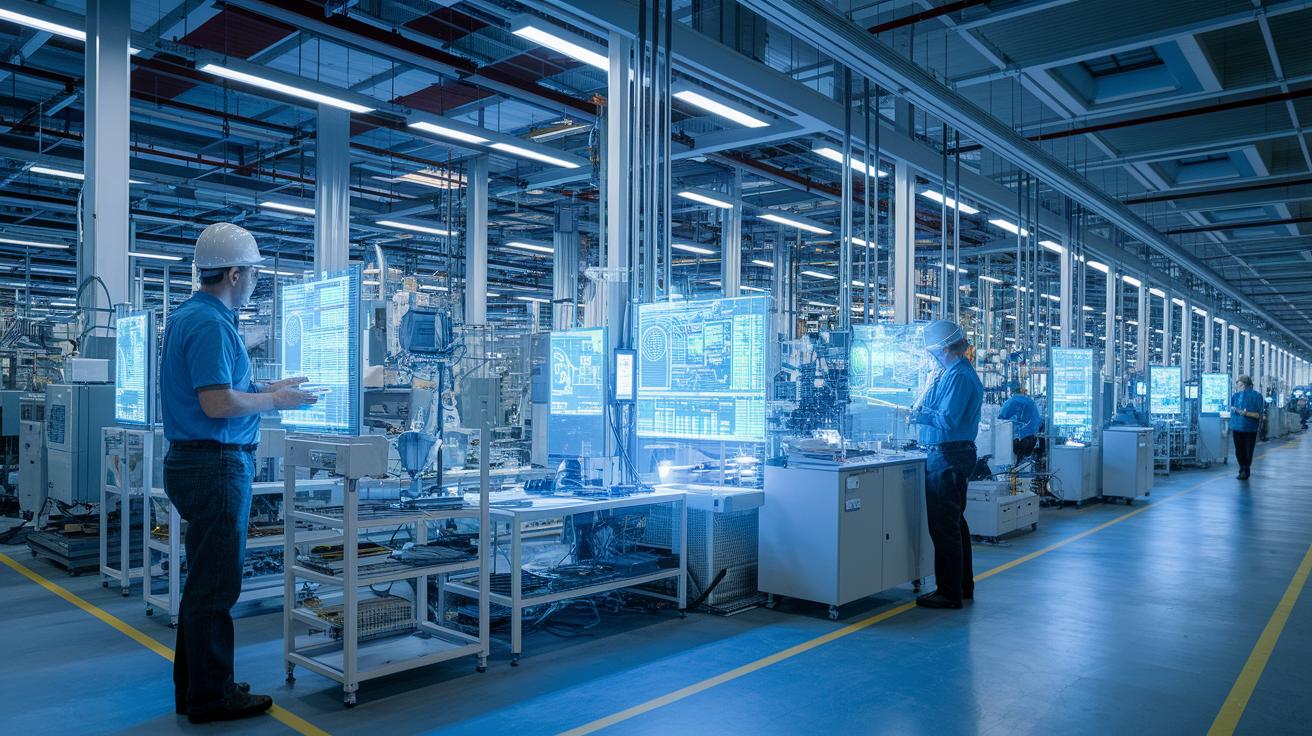
Digital twin technology brings clear benefits. Companies using predictive maintenance say they can save up to 20% in costs by spotting problems before they get worse. With real-time data, teams can act fast to keep systems safe and running smoothly. Imagine a production line where sensors notice a worn part and alert engineers right away, that’s digital twin analytics at work. This constant monitoring helps avoid expensive shutdowns and boosts overall asset safety.
But there are challenges too. Many companies find it hard to link their digital models with older systems. The flood of data from sensors and cloud storage can be overwhelming without a solid plan for risk analysis. Some organizations handle these issues with regular audits and strict version controls, yet being fully prepared is still a common stumbling block. It’s like trying to update an old machine with new tools, the perks are clear, but a smooth upgrade takes careful planning and the right resources.
Looking ahead, advancements in AI-driven analytics and better sensor technology are set to transform this field. New standardized protocols are being developed to make integration easier and systems more reliable. Experts predict the market for digital twin technology could hit $48.2 billion by 2026. In essence, these trends are paving the way for innovations that will further improve efficiency and safety across different industries.
Final Words
In the action, we explored how digital twin technology creates accurate virtual copies of real systems. Our discussion covered core concepts like sensor integration, cloud frameworks, and simulation techniques. We also looked at real-life examples from manufacturing to smart cities and shared how these replicas can boost decision-making and cut costs.
This insight into digital twin technology shows its promise in making operations smoother. Stay curious, keep learning, and expect to see more bright advances ahead.
FAQ
FAQ
What is digital twin technology?
The digital twin technology creates a virtual replica of a real-world system or process by using live data from sensors and IoT devices. This mirroring helps with decision-making and improving operations.
What are some examples of digital twin applications?
The digital twin technology examples include virtual replicas in healthcare for treatment planning, in manufacturing for predictive maintenance, and in construction for simulating project updates, all enhancing operational efficiency.
Is digital twin a type of AI?
The digital twin technology is not a type of AI. It is a virtual mirror of physical systems that can work alongside AI to analyze data and support better business decisions.
What are the four types of digital twins?
The digital twin technology categories often include product twins, process twins, system twins, and environment twins. Each type serves different roles in monitoring performance and planning improvements.
How does digital twin technology benefit healthcare?
The digital twin technology in healthcare creates virtual models of medical devices and patient systems, helping improve treatment plans and design custom solutions that enhance patient care.
How is digital twin technology used in manufacturing and construction?
The digital twin technology in manufacturing and construction provides real-time insights for maintenance, simulation, and optimization. This leads to faster decision-making and less downtime across projects.
What digital twin software solutions exist?
The digital twin technology software combines sensor data, analytics engines, and visualization tools. Leading platforms from companies like Siemens offer industry-specific solutions that streamline operations.
How is digital twin technology applied in the supply chain?
The digital twin technology in supply chain creates a virtual model of logistics networks. This replica helps plan routes, monitor inventory, and improve overall supply operations with live data.
What courses are available for learning digital twin technology?
The digital twin technology course offerings cover fundamentals, simulation methods, and IoT integration techniques. These courses provide practical training to meet today’s industry requirements.
Where can I find digital twin technology resources like PDFs?
The digital twin technology PDFs available online detail key concepts, implementation frameworks, and case studies that guide professionals in understanding and applying this technology effectively.
cialis vidalista 80 mg
cialis vidalista 80 mg
cyclosporine glaucoma
cyclosporine glaucoma
semaglutide injection price
semaglutide injection price
vardenafil (staxyn)
vardenafil (staxyn)
terbinafine main page
terbinafine main page
terbinafine nail fungus treatment guide
terbinafine nail fungus treatment guide
ivermectin rosacea inflammation reduction
ivermectin rosacea inflammation reduction
minoxidil men’s treatment reference
minoxidil men’s treatment reference
avanafil contraindication warnings
avanafil contraindication warnings
orlistat mechanism research
orlistat mechanism research
medical quality review
medical quality review
orlistat side effect risks
orlistat side effect risks
augmentin antibiotic explanation
augmentin antibiotic explanation
otitis media risk factors
otitis media risk factors
pneumonia complications
pneumonia complications
OnsetMaster Educational Resource
OnsetMaster Educational Resource
Sildenafil vs Avanafil Medical Summary
Sildenafil vs Avanafil Medical Summary
Sildenafil vs Cialis Onset Insights
Sildenafil vs Cialis Onset Insights
this tadalafil guide
this tadalafil guide
tadalafil ED overview
tadalafil ED overview
ClindaMedX forms and brands
ClindaMedX forms and brands